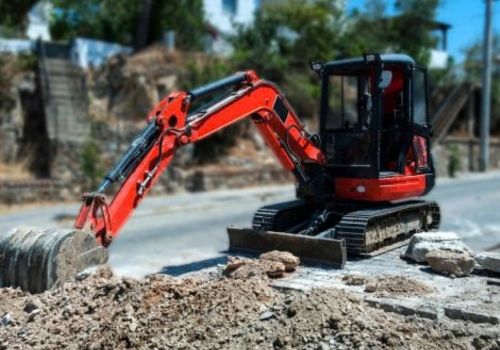
Buying a new mini excavator attachment can feel like a gamble until it starts earning money on the job. The right attachment can turn one machine into five or six different tools, tipping the return-on-investment ratio in the fleet's favor. Carefully choose the attachments that deliver the fastest returns, and you’ll help contractors spend their equipment budget where it actually moves the needle and avoid accumulating a collection of forgotten attachments in the yard.
The Top 5 Mini Excavator Attachments for Your Fleet
Every attachment on the list earns its place through real jobsite versatility, not marketing hype. Some finish tasks faster, while others open up entirely new types of work for a crew. For contractors looking to maximize value, ranking by ROI is a good place to start. Here's how the most common attachments compare.
1. Auger
A hydraulic auger drills clean, consistent holes in a fraction of the time required by manual labor. Adjustable bit sizes handle anything from fence posts to tree root balls. For landscape and utility crews, the productivity gains can translate into a strong ROI after only a handful of projects.
2. Hydraulic Breaker
A hydraulic breaker turns a mini excavator into a demolition tool for concrete, rock and frozen ground. It focuses concentrated impact into a small point instead of spreading force across the whole bucket. Renting a breaker for one tough job often justifies a purchase within a single season, especially for contractors who hit rocky ground on more than a handful of projects a year.
3. Trencher
A trencher cuts clean, narrow trenches for utility, drainage and irrigation lines without disturbing nearby ground. It keeps surrounding turf intact, which cuts backfill labor and cleanup time. Landscapers and utility contractors often see the attachment pay for itself within a single busy season.
4. Hydraulic Thumb
A hydraulic thumb acts like an extra hand, allowing operators to securely grip and place irregular materials such as retaining wall blocks, boulders and pipe sections. The added control speeds placement, reduces rework and can eliminate the need for a groundperson on many jobs.
5. Plate Compactor
A plate compactor finishes trenches and backfill by compacting soil, without the need for extra machinery on site. It saves a trip for a separate compaction crew or a rented walk-behind unit. Small crews often finish utility and landscaping work faster with one machine handling both digging and compaction, boosting ROI through lower equipment costs and greater operator productivity.
Judging ROI Before You Buy

Tracking utilization across the attachments already in the trailer shows which ones actually earn their spot, and it turns gut feeling into a data-backed buying decision.
Every attachment purchase should start with an honest look at real utilization. A tool used twice a year rarely justifies its purchase price no matter how useful it seems on paper. When contractors are given the option to rent before buying, they’re able to test real-world performance before committing capital, and the rent-versus-buy math shifts based on how consistent the utilization actually is. Consistent workload favors buying. A roller coaster of demand favors renting to smooth out the peaks.
Understanding the full life cycle cost of each attachment shows the true hourly cost of owning it over its full working life. Comparing that number against local rental rates tells contractors exactly when buying makes sense and when renting stays the smarter play. Tracking utilization across the attachments already in the trailer shows which ones actually earn their spot, and it turns gut feeling into a data-backed buying decision.
Reliability matters just as much as versatility once an attachment earns a permanent spot on a trailer. A broken attachment on a busy day costs more than its original purchase price, since the whole crew waits on repairs. Auxiliary hydraulic flow rates on the base machine also matter here. Smaller compact excavators can limit which hydraulic attachments a contractor can run, making it important to match attachment requirements with the machine's hydraulic flow. Proper sizing helps ensure the attachment delivers the ROI expected from the investment.
Attachments That Earn Their Trailer Space
The best mini excavator attachments earn their place through steady use. Starting with the auger, breaker or trencher covers the widest range of common jobsite tasks and produces the fastest measurable return. Renting first and tracking usage takes the guesswork out of every future purchase.
Building the most productive fleets means treating every attachment purchase as a business decision backed by utilization data. Attachments that earn their trailer space week after week become the foundation of the fleet. Those that don't should be sold, traded or returned before they drag down overall ROI.