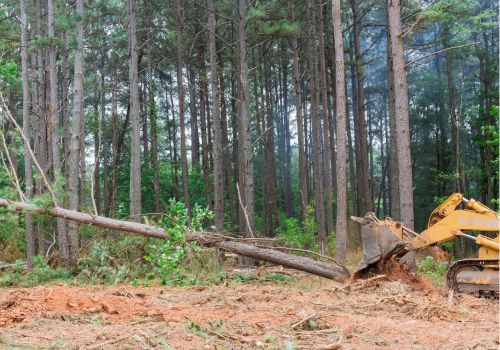
Clearing a raw site sets the pace for every trade that follows it. Fleet managers choosing land clearing equipment weigh tree size, terrain and how fast the site needs to open up. A mulcher too small for the acreage stalls out on dense timber. An oversized carrier burns fuel and rental hours the job cannot justify.
Matching machine size to the job prevents the mid-project equipment swap that eats a week of schedule. Hydraulic flow, cutting capacity and carrier compatibility all shape which mulcher fits a given site. And while high-output equipment costs more upfront, it may be the correct choice when acreage and deadline pressure align.
What to Look for in Land Clearing Equipment
Every site presents a different mix of tree size, ground slope and soil conditions. The right land clearing equipment for one job may be badly overmatched on the next. A mulcher spec'd for six-inch brush struggles against dense, mature timber. A heavy forestry-package machine wastes horsepower on a light vegetation-removal job. Fleet managers who understand the realistic capabilities of each carrier and attachment are less likely to face costly equipment changes once clearing work is underway.
Hydraulic flow determines how much cutting power a machine actually delivers on site. Equipment World's 2026 attachment roundup puts current flow rates at 15 to 75 gallons per minute. The highest-output attachments cut trunks up to 18 inches across. Matching flow rate to the carrier keeps cutting speed high without straining the hydraulic system. The same ceiling that limits a skid steer's attachment options applies to mini excavators and compact track loaders.
Cutting capacity matters as much as raw horsepower once trunks get past a few inches across. An attachment rated for three-inch material bogs down or throws chain on eighteen-inch timber. Choosing the right head means matching drum type, tooth pattern and cutting-diameter rating to the acreage.
Reliability depends on more than machine specifications. Fleet managers should evaluate maintenance history, parts availability, hydraulic-system service intervals, drum bearing life, cooling-package sizing, and dealer support in the region where the machine will operate. Telematics data from existing fleet equipment can provide additional insight into downtime trends, operating temperatures, and long-term performance.
Weighing Rental Versus Purchase
Land clearing work often comes in bursts tied to specific projects rather than steady demand, which complicates the buy-versus-own calculation. Ownership generally makes sense when a machine is expected to log consistent annual hours, while renting can be the better option for equipment that would otherwise sit idle between projects. As utilization increases, ownership often becomes more economical than repeated rentals, though the break-even point varies by machine type, operating costs, and local rental rates. Rental partner reliability also deserves consideration, especially when project schedules leave little room for delays.
Matching the Equipment to the Job

Choosing the right land clearing equipment requires balancing site conditions, production goals, and equipment capabilities. Machine type is just as important as size.
Choosing the right land clearing equipment requires balancing site conditions, production goals, and equipment capabilities. Machine type is just as important as size.
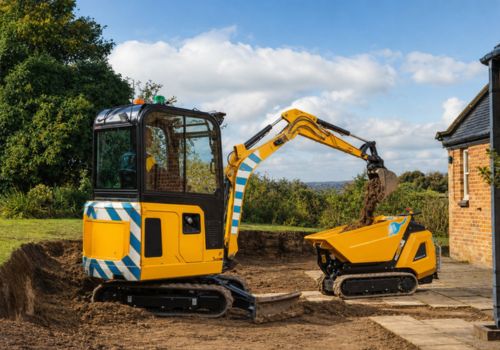
Skid steers with forestry packages handle tight-access clearing and light-to-medium timber. Tracked mulchers cover heavier acreage on soft or sloped ground. Excavator-mounted heads reach into fence lines and drainage corridors wheeled machines cannot.
The clearing phase is where a job's schedule either builds momentum or starts leaking days. Equipment choice is one of the most important decisions fleet managers make before work begins. Selecting equipment that matches the site's conditions and production goals can help keep projects on schedule while controlling operating costs.