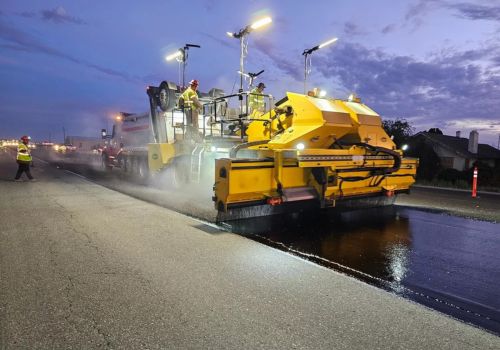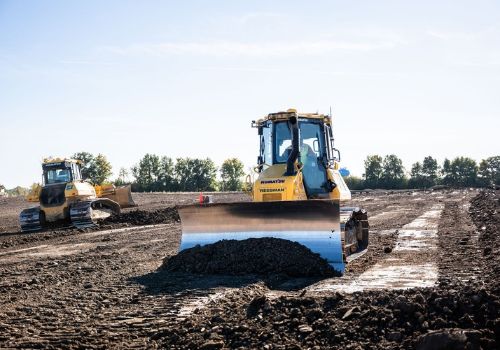
A highway interchange bid calls for a large excavator for six weeks and a specialty paver for 10 days. Owning both keeps scheduling easy, yet the purchase locks up cash for months after the project ends. Every rent-or-buy call like this decides whether your construction equipment keeps working or sits parked between jobs.
Buying still pays off for the machines that run nearly every day. The rest of the fleet deserves a harder look, since renting often covers those needs for less. Getting that balance right protects margins and keeps crews moving from one job to the next.
Why More Fleets Are Renting Construction Equipment
The industry has steadily shifted from owning every machine to renting more of the fleet. According to the American Rental Association (ARA), construction, industrial and general tool rental revenue in the U.S. should reach $83.5 billion in 2026. ARA ties that growth to financial flexibility and a growing preference for rental over ownership. Large-scale projects and megaprojects have driven much of that demand.
The math behind the shift is straightforward. Owned machines carry financing, insurance, storage, maintenance and depreciation whether they work or not. Rental converts many of those fixed costs into project costs that bids can absorb directly.
Maintenance adds another layer. Owned machines need shop space, parts inventory and technicians who are hard to hire. Rental shifts much of that burden to the provider, freeing your shop for core equipment.
Meanwhile, rental demand now reaches well beyond construction, with industrial customers relying on rental fleets as well. For renters, a broader market often means more specialized machines and service options to choose from.
5 Signals It's Time to Rent Construction Equipment
Comparing ownership costs against rental rates over a machine's full life still sets the baseline for any decision. Five practical signals can shortcut that math and show when renting protects cash, schedules or compliance better. These include:
1. The Machine Will Sit Idle More Than It Works
Utilization is the clearest test. If a machine will run only a few weeks a year, ownership costs keep accruing during every idle month. Reviewing hours from past projects shows whether a purchase would truly earn its keep. Renting matches the expense to the actual work.
2. The Project Calls for Specialized Construction Equipment
Some jobs need machines your core work rarely touches, such as large cranes, specialty pavers or high-reach lifts. Buying for a single scope can leave an expensive asset parked for years. Renting lets you bid that work without a long-term commitment. Many rental providers also offer delivery and setup support for complex machines.
3. Cash Flow Needs to Stay Flexible
Large purchases can tie up credit lines just when payroll, materials or bonding need that capacity. Renting keeps capital available and turns equipment into a predictable line item. That flexibility matters most during growth periods, when several projects start at once. Lease and rent-to-own options also belong in any review of equipment leasing strategies.
4. Emissions Rules or Owner Requirements Are Tightening
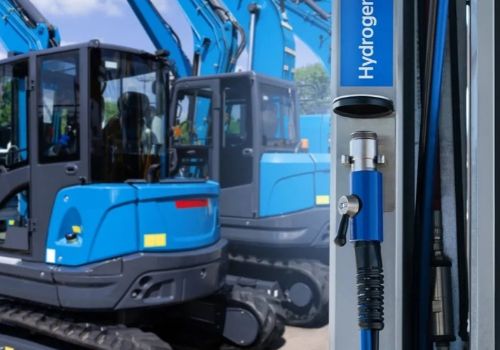
Some public owners and urban projects now set emissions or noise limits on jobsite equipment. Buying electric machines for one project also means investing in charging and jobsite infrastructure. Renting lets you meet those requirements while you test how the technology performs on real sites. Rental agreements also make it easier to swap machines if project rules change midstream.
5. The Technology Is Changing Faster Than Your Trade Cycle
Machine control, telematics and battery systems improve quickly. A machine bought today may feel dated well before the final payment. Renting newer units keeps the latest technology on site without locking in an aging platform. Shorter rental terms also let crews try new features before committing to a fleet-wide purchase.
How Technology and Sustainability Are Reshaping Rental
Technology now shapes how teams choose, track and return rented machines. A 2026 Teletrac Navman survey found fleets believe 40% to 50% of their equipment sits underused half the time. Even so, most still track that usage manually rather than through connected data. Telematics data shows actual utilization, idle time and location for owned and rented units alike.
Some providers also share telematics feeds directly, so rented units appear alongside owned machines in one dashboard. With that visibility, teams can return idle rentals sooner and spot owned machines worth selling.
Sustainability goals push in the same direction. Rental fleets often add electric and low-emission models before most owners can justify buying them. As a result, renting gives teams a lower-risk way to meet emissions targets and reporting requirements.
Building a Smarter Construction Equipment Mix
Most strong fleets land somewhere between owning everything and renting everything. Finding that middle ground takes a repeatable process, ideally reviewed each quarter against the project backlog. Three habits that make that process easier to sustain include:
-
Screen every bid for rental candidates. Flag short-duration, specialized or compliance-driven equipment needs before pricing the job.
-
Track owned and rented units in one system. A shared view exposes idle time and helps prevent losses at closeout.
-
Test sustainable rental options first. Try electric or low-emission models on projects with regulatory or owner-driven goals before committing to a purchase.
With that process in place, rental stops being a last-minute fix and becomes part of how estimators build bids. Fleets that plan this way tend to bid with more confidence and carry less idle iron. Over time, those gains show up in margins, schedules and the next winning bid.