An emergency excavator repair scramble can quickly cost lost time while bills pile up. Idle crews draw wages; haul trucks wait in line, and emergency repair bills are allocated to the job. On top of that, new risks can also be introduced as crews skip safety steps...all for quick fixes that could possibly fail again.
A simple, rehearsed field protocol changes that. When every person knows their role, an emergency becomes a routine response instead of a scramble. Here are six steps every field protocol should include.
1. Make the Machine Safe Before Anyone Touches It
Speed never justifies skipping safety, especially around pressurized hydraulics. Lower the boom and attachment to the ground, shut down the engine and relieve system pressure. Then lock out and tag the machine so nobody restarts it during the repair. Block or crib any raised components that can't be lowered safely.
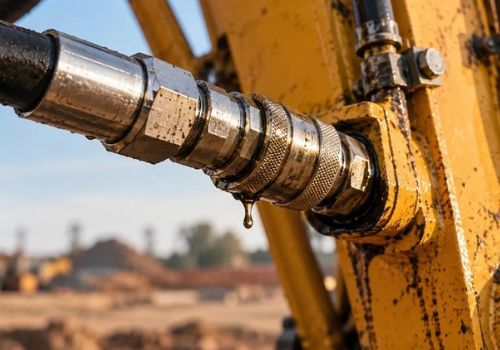
Pinhole leaks deserve special caution. The International Fluid Power Society warns that escaping fluid can penetrate skin at as little as 30 pounds per square inch. Use cardboard or wood to locate leaks, never a hand. Anyone hit by a fluid jet needs immediate medical care, even if the wound looks minor. AEM’s Hydraulic Excavator Safety Manual offers a useful refresher on safe maintenance practices.
2. Triage the Failure in the First 15 Minutes

Before calling for help, sort the problem into a broad category: hydraulic, electrical, engine or undercarriage. Capture any fault codes from the display, and take clear photos of leaks, damage or warning lights.
Before calling for help, sort the problem into a broad category: hydraulic, electrical, engine or undercarriage. Capture any fault codes from the display, and take clear photos of leaks, damage or warning lights.
Note what the machine was doing when it failed, since that detail often points straight to the cause. Good triage lets the mechanic arrive with the right parts on the first trip. If the cause still isn't clear, a short video of the symptom often helps more than a written description.
3. Stock a Field Kit for the Most Common Excavator Repair Calls
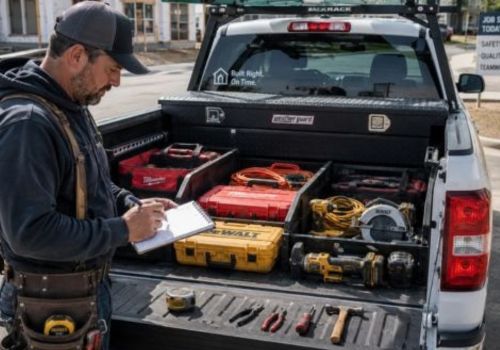
Many breakdowns trace back to a short list of parts. Keep common hoses, fittings, O-rings, filters, fuses and spill kits on site or in the service truck. Include the tools and torque specs needed to install them correctly. Tailor the kit to the machines on site, since hose sizes and fittings vary by model.
Review the kit after each breakdown, and restock anything used within a day. Assign one person to own the kit, so restocking never falls through the cracks. On larger projects, pre-made hose assemblies for each machine model can save hours of fabrication.
4. Set a Clear Communication Chain
Confusion spreads fastest when nobody knows who to call. Define the chain in advance: operator to foreman, foreman to mechanic, mechanic to dealer when needed. Post that chain, with phone numbers, in every cab and site trailer. Keep dealer contacts, machine serial numbers and warranty details in the same place.
Telematics systems can also send fault codes straight to the shop, so diagnosis starts before anyone reaches the site. Meanwhile, the foreman should update the schedule and redirect crews to other tasks. Clear communication also prevents duplicate parts orders and conflicting instructions.
5. Decide Fast: Repair in Place, Swap or Haul Out
Every protocol needs simple criteria for the big decision. Minor hose or electrical fixes usually happen in place within a few hours. Major failures, such as a cracked boom or failed pump, often justify hauling the machine to the shop. When the repair will take longer than a day, swapping in a backup keeps the job moving.
Factor in parts availability, too, since a quick fix means little if a key component is weeks away. Lining up rental options before a crisis means one call can put a replacement on site quickly.
6. Document Every Excavator Repair
Once the machine runs again, record what failed, how long each stage took and what slowed things down. Include close calls during the repair, since near-miss reports often reveal gaps in the protocol. A few minutes of notes turn one bad day into a lesson for the whole fleet. Store records where mechanics, supervisors and fleet managers can all reach them.
Using Each Excavator Repair to Prevent the Next One
Breakdown records become valuable once patterns appear. Repeated hose failures on one machine might point to routine problems, while recurring electrical faults may signal harness wear. Those patterns should feed directly into preventive maintenance schedules.
Operators play a key role too. Training them to spot weeping fittings, new noises or sluggish controls catches problems before they become emergencies. A quick debrief after each breakdown also keeps the protocol sharp and up to date. Tracking response times also shows whether the protocol is actually getting faster.
Emergencies will still happen on busy jobsites. However, crews that respond with a practiced plan stay safer, recover faster and protect the schedule everyone depends on. Over time, that readiness becomes part of how the company competes.