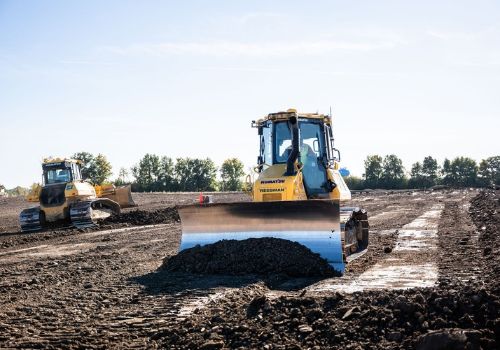
Midway through a grading pass, the machine lurches and stops with one track hanging off the idler. Packed clay and a loose track nobody checked that morning were the culprits. A five-minute track loader undercarriage check could have kept that crew grading instead of waiting on a service truck.
Undercarriage problems seldom announce themselves early. Instead, wear builds quietly between services until it turns into downtime or a costly rebuild. Here's a practical set of daily and weekly checks that catch trouble while it's still a quick, low-cost repair.
The Daily Track Loader Walkaround Checklist

Jobsite conditions matter too, since sand, gravel and sharp rock wear components far faster than soft soil. Fortunately, most of those factors respond to simple daily attention.
Tracks, rollers, idlers and sprockets grind against abrasive material every hour the machine runs. The undercarriage can represent nearly 20% of a machine's price and nearly half of its lifetime maintenance costs. Estimated average rubber track life is around 1,200 to 1,600 hours. Replacing a full set of tracks, rollers and sprockets can sideline a machine for days and drain a maintenance budget.
Several factors speed up that wear. Packed debris, poor tension, demolition rubble and aggressive turning all shorten component life. Jobsite conditions matter too, since sand, gravel and sharp rock wear components far faster than soft soil. Fortunately, most of those factors respond to simple daily attention.
Daily checks take only a few minutes once they become routine. Even so, crews often skip them when they're running behind. Here are checks worth doing before every shift:
1. Clear Packed Mud, Rock and Debris
Packed material adds weight, increases tension and grinds against moving parts. Clean the undercarriage at the end of each shift, especially in clay, snow or demolition debris. Some manufacturers also recommend removing belly pans periodically to clean out the machine's tub. A shovel and pressure washer handle most cleanup, and dried material is far harder to get off the next morning.
2. Check Track Tension and Sag on Your Track Loader
Incorrect tension remains a leading cause of premature undercarriage wear. Tracks that run too tight overload rollers and idlers, while loose tracks can ride entirely off the undercarriage. Measure sag against the operator's manual, and recheck after moving to a new site or working in rain. Cold mornings can also change readings, so check under similar conditions each time.
3. Inspect Rollers, Idlers and Guides
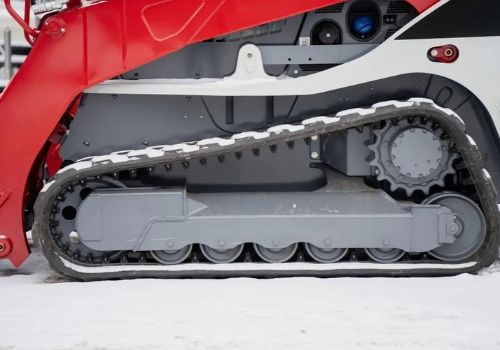
Look for flat spots, oil seepage, loose bolts or rollers that no longer turn freely. A seized roller wears quickly and can damage the track itself. Uneven wear patterns often point to alignment problems worth flagging early. Walk both sides of the machine, since problems on one track rarely show from the other.
4. Look for Cuts, Cracks and Exposed Cords on Rubber Tracks
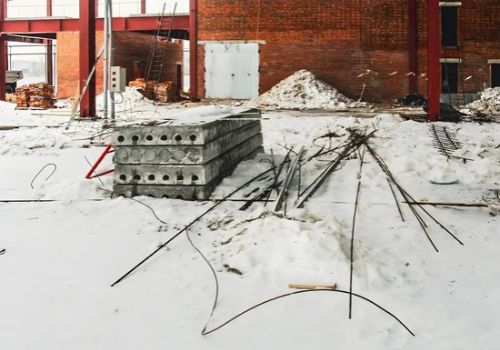
Rubber tracks hide damage until it fails suddenly. Check for cuts, tears, missing lugs and any steel cords showing through the rubber. Exposed cords let moisture reach the steel, which can lead to rust and sudden track failure. Operators should also note damage from rebar, stumps or curbs so crews can avoid repeat hazards.
5. Measure Sprocket and Drive Lug Wear
Sprocket teeth should look square and even, not hooked or pointed. Worn sprockets chew through track lugs, so replacing them together often saves money. Also check the inside drive lugs for chunking or uneven wear. When the sprocket and track wear unevenly, the more worn part usually fails first and speeds up wear on the other.
6. Watch for Leaks at Final Drives and Roller Seals
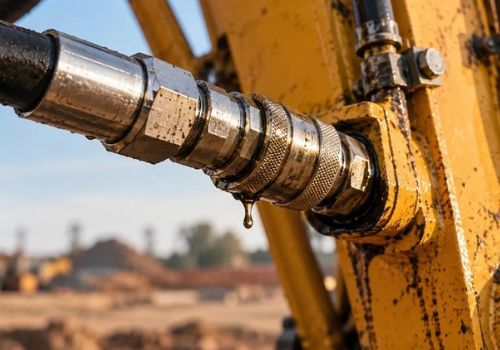
Oil around final drives or rollers usually signals a failing seal. Catching a leak early can prevent a much larger drive-motor repair. Check final drive oil levels at the intervals your manual specifies.
Turn Inspection Findings Into Track Loader Maintenance Data
A checklist only helps if its results outlast the shift. Keeping a log, whether paper or digital, turns scattered observations into useful data. Photos of track sag and sprocket wear allow mechanics and operators to see change over time. Telematics platforms can pair those notes with hours and idle time to schedule service before failures. Over a season, those records show which jobsites and operators wear machines fastest.
Operating Habits That Extend Track Loader Undercarriage Life
Inspection findings often point back to how a machine runs day to day. Operator technique controls roughly 60% of a rubber track loader's owning and operating cost. That turns the checklist into a useful coaching tool as well as a maintenance record.
Certain patterns are worth flagging with operators right away. Heavy debris packing and sidewall wear often trace back to constant counter-rotation in loose material. Cuts and missing lugs usually point to curbs, rebar or sharp demolition debris. Uneven wear on one side can signal a habit of working slopes crosswise rather than straight up and down.
Sharing those findings turns inspections into a feedback loop. Paired with smarter habits, daily checks keep repair costs predictable and machines on the job, not on the trailer. Over a machine's life, that discipline keeps schedules on track and protects resale value at trade-in.