Contractors cannot recruit people who never consider construction an option. Yet students, career changers, women and other underrepresented workers have little exposure to the industry.
By the time a contractor needs to fill a position, it may already be too late to make that connection.
Building a stronger workforce requires companies to create awareness early, make careers easier to envision and show potential workers a path forward. For Amy Henningfield, director of workforce development at Superior Construction, that work starts well before a job is posted.
“If you wait until you already need them, then it’s too late,” Amy says. “You have to constantly be recruiting and getting out there and educating people.”

“If you wait until you already need them, then it’s too late.” — Amy Henningfield, Superior Construction
BUILD RELATIONSHIPS BEFORE YOU NEED WORKERS
Because fewer people today discover construction through family connections, contractors cannot rely on referrals to fill future positions.
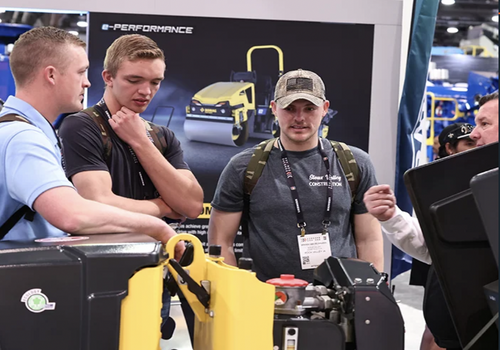
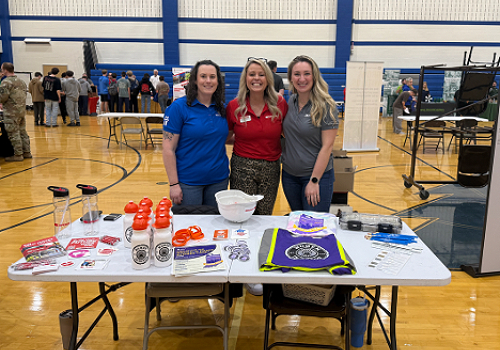
Amy recommends adopting a local school and returning throughout the year. Superior uses a nine-month agenda that introduces students to a different area of construction each month. The company also works with educators, attends career fairs and brings hands-on experiences into classrooms.
That continued presence builds trust with students, educators and parents before recruiting begins. It should also begin early. Amy believes children start developing ideas about which careers are open to them before middle school.
Those relationships create an opening. Contractors must then help students picture where construction could take them.
MAKE CONSTRUCTION EASIER TO SEE
Students cannot envision themselves in roles they have never seen. The people featured at career fairs, on social media and in recruiting materials influence who feels welcome approaching a company.
“You can’t be what you don’t see,” Amy explains. “If they don’t see a female superintendent out on the job or a project manager estimating, they just don’t naturally picture themselves in that role.”
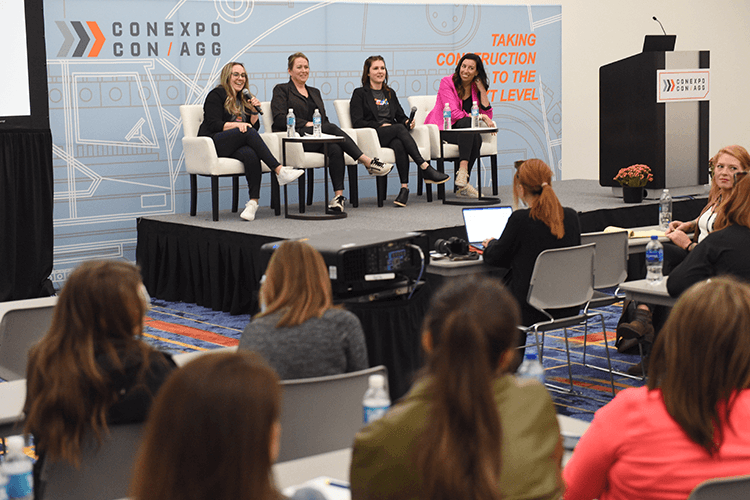
At career fairs, Amy finds that young women are more likely to approach Superior’s table when a woman represents the company. Representation can start a conversation that otherwise may not happen.
Contractors should review their websites, brochures and social posts. Do they reflect the people the company hopes to reach and show opportunities beyond traditional field positions?
Superior also uses drones, GPS, machine controls, simulators and virtual reality to challenge outdated perceptions. Students can use VR goggles to experience a 360-degree jobsite and practice inspecting a safety harness. This brings the jobsite into a classroom when an in-person visit presents safety concerns.
Visibility may spark interest, but workers also need to see what comes next.
CONNECT EXPOSURE TO OPPORTUNITY
Contractors should demonstrate how someone can advance from an entry-level position into management or leadership. Career-path graphics, advancement examples and training opportunities can make that future tangible.
“People want to see that there is elevation,” Amy shares, “that they can come in at a lower-level entry position and elevate to a management leadership role.”
Superior is extending that commitment with a 13,000-square-foot training center planned for its Jacksonville location. The facility will help train the next generation as experienced employees begin aging out of the workforce.
Job postings are another part of that pathway. Contractors should focus on essential qualifications, use inclusive language and make their willingness to train clear.
The final step is ensuring the workplace delivers on what recruiting efforts promise.
CREATE A WORKPLACE WHERE PEOPLE CAN GROW
Recruiting gets workers in the door; but the best companies give people a reason to stay.
When Amy first entered construction, she was handed a men’s 2XL safety vest, which was the only option available. She now uses that experience to show why properly fitting PPE is a safety requirement, not simply a matter of comfort. Having the right-sized PPE on day one shows all workers they are respected and cared about by a company.
Contractors must also support workers with training and advancement opportunities. Superior’s leadership-development program for women provides coaching, executive visibility and a confidential setting for difficult conversations. All 12 pilot participants were promoted within a year. The initiative now includes more field and craft employees.
Workforce development is not a one-time campaign or hiring quota. It is a long-term investment connecting early awareness with training, support and advancement.
“I’m not checking a box,” Amy shares. “This is what I believe in.”
Discover more about how women are making inroads in the construction industry and why properly designed PPE can save their lives.
PHOTOS COURTESY OF AMY HENNINGFIELD