The safety landscape is changing faster than ever. New regulations, smarter equipment and real-time data are reshaping how contractors protect their crews. Today’s safest companies aren’t defined by thick rulebooks; they stand out for proactive leadership and a culture where workers speak up before hazards become incidents.
As 2026 approaches, here are the seven safety practices to adopt in the new year.
1. PREPARE NOW FOR OSHA’S UPCOMING HEAT ILLNESS STANDARD
OSHA’s proposed Heat Injury and Illness Prevention Rule, expected to finalize in 2026, will impact nearly every contractor who works outdoors. The proposed rule calls for shade, hydration, acclimatization protocols and monitoring for heat stress.
2026 TIP: Contractors should make heat-response plans now. You can start with training crews, setting work/rest cycles and documenting compliance.
2. STRENGTHEN FALL PREVENTION WITH PRE-TASK ANALYSIS
Falls remain the leading cause of construction fatalities. The Center for Construction Research and Training, which help lead the National Campaign to Prevent Falls in Construction, offers free pre-task planning (PTP) checklists to help reduce fall-related incidents.
2026 TIP: For 2026, contractors should standardize PTP check-ins before every major task, particularly those involving ladders, scaffolds and roof work.

Immersive learning tools like VR training simulators can dramatically improve retention and reduce worker incidents.
3. MOVE TOWARD DATA-DRIVEN SAFETY
Construction safety tech adoption is evolving with the increased use of proximity sensors, ergonomic wearables and equipment telematics to detect unsafe conditions and near-misses.
2026 TIP: Try one new safety technology in 2026 and use the data to help keep your crew safe in the new year.
4. MODERNIZE SAFETY TRAINING WITH SIMULATORS
Immersive learning tools like VR training simulators can dramatically improve retention and reduce worker incidents. Simulation training technology monitors how a trainee is doing, providing objective feedback to identify areas that may require additional effort.
2026 TIP: Learn how technology is making construction safer at the CONEXPO-CON/AGG 2026 session Building Better Operators Through Simulation Training.
5. TREAT MENTAL HEALTH AS A SAFETY REQUIREMENT
The suicide rate in construction remains among the highest of any U.S. industry. Communication can help break the stigma around mental wellness and help save a life. A new collaboration between the American Foundation for Suicide Prevention (AFSP) and CONEXPO-CON/AGG will bring resources and education about mental health and suicide prevention directly to the construction industry.
2026 TIP: In 2026, contractors should embed mental health check-ins into daily briefings and normalize conversations about fatigue, stress and workload.
6. BUILD STRONG SAFETY CULTURES WITH LEADERSHIP TRAINING
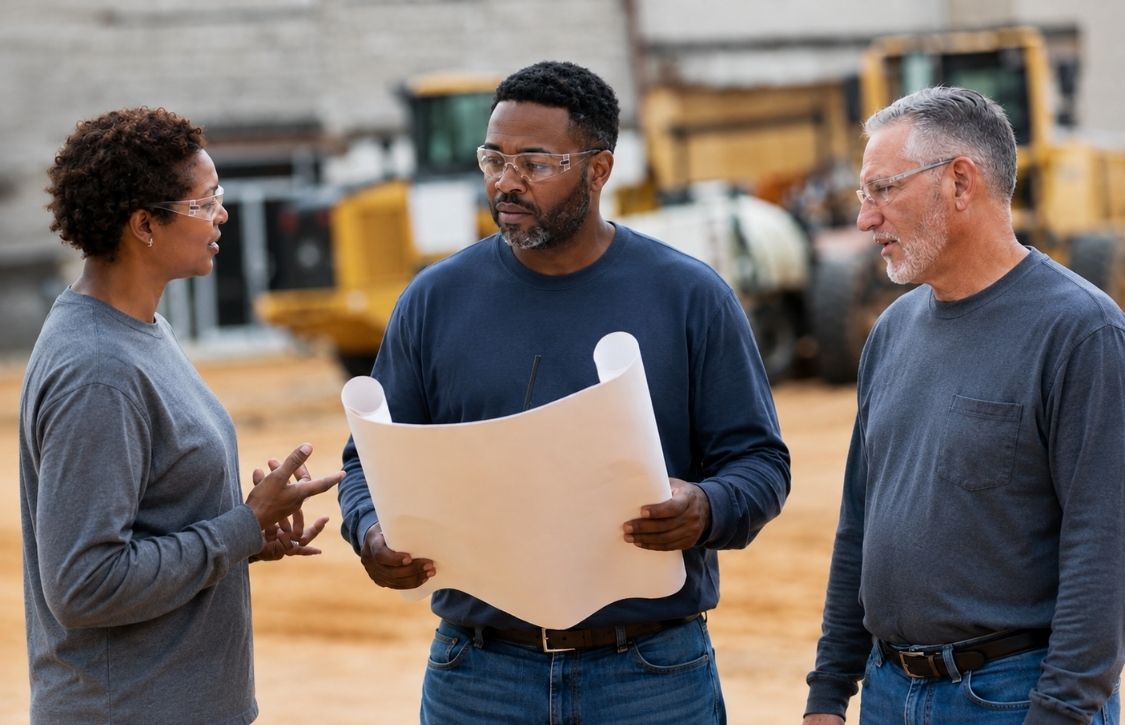
Safety training, when done right, empowers workers to make informed decisions that protect themselves and their coworkers. Leaders must inspire crews; and workers at all levels need to feel comfortable speaking up when they see a safety concern.
2026 TIP: Investment in leadership training, especially for young or newly promoted foremen, is one of the most cost-effective risk reductions contractors can make. Learn how to build a safety leadership program here. For those attending CONEXPO-CON/AGG 2026, be sure to attend the session The 4 Domains of Safety Leadership: Measurable Traits that Change Everything to learn why leaders affect safety more than any other factor.
7. IMPROVE SAFETY RECORD KEEPING WITH AI
While often overlooked, record keeping can show your safety future, especially when combined with AI. Using AI and other technology solutions can help you see patterns in safety violations, including near misses, so you can track where problems could occur and prevent injuries before they happen.
2026 TIP: To start the year off, contractors should conduct a year-end safety review and attend the session AI and Construction Safety, Real Examples, Real Results at CONEXPO-CON/AGG 2026 to hear real examples of AI in use in construction safety, with specific suggestions on how and where to achieve results in this new area.
Key 2026 Safety Deadlines & Observances
March 1–7 — Women in Construction Week
Ideal for highlighting female safety leaders, hosting mentorship panels or addressing PPE fit for women.
April 20-24 — National Work Zone Awareness Week
Reinforce traffic control plans, spotter training, high-visibility garment requirements and public roadway safety.
May 4–8 — Construction Safety Week
The industry’s signature safety culture event. Great time for all-hands safety talks, hazard hunts and company-wide refreshers.
May 4–8 — OSHA National Safety Stand-Down to Prevent Falls
Hosted the same week as Safety Week. Conduct fall-arrest inspections, refresh ladder and scaffold training, and document participation.
June — National Safety Month (NSC)
Focus topics typically include ergonomics, slips/trips/falls, hazardous energy and workplace mental health.
August 10–16 — OSHA Safe + Sound Week
An ideal window for safety program reviews, jobsite audits and employee-driven safety improvements.
September — National Preparedness Month (FEMA)
Review emergency plans, evacuation routes, fire response, weather protocols and communication systems across jobsites.
For contractors looking to strengthen safety programs, CONEXPO-CON/AGG 2026 represents the largest opportunity to discover industry best practices and connect with peers. If safety is one of your New Year’s resolutions, then don’t forget to register today.
Photo credit: SHUTTERSTOCK/PINTOART