In 2025, contractors faced ongoing workforce shortages, tight margins and accelerating technology shifts. But there were also industry-wide advances in safety, technology and culture. These shifts didn’t just shape 2025; they are setting the direction for how contractors will plan, invest and compete in 2026.
Here are 10 industry shifts that defined 2025 and what they mean for contractors heading into 2026.
1. WORKFORCE SHORTAGES BECAME A LONG-TERM REALITY
Labor challenges continued to dominate in 2025. According to the Associated General Contractors of America, most contractors reported difficulty filling both craft and salaried positions, with shortages affecting project schedules and profitability.
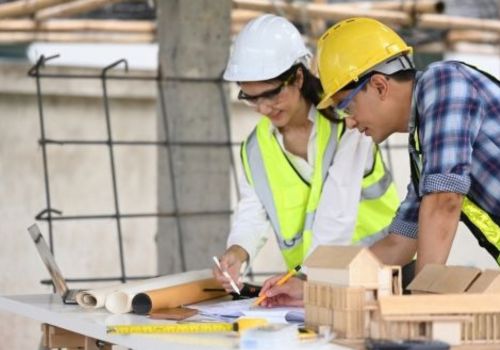
What changed in 2025 was acceptance: contractors increasingly stopped waiting for the labor market to “fix itself” and began investing in training, onboarding and retention strategies.
Expect 2026 to bring more emphasis on skills-based hiring, cross-training and internal career development.
2. ALTERNATIVE POWER MOVED FROM PILOT PROJECTS TO PLANNING
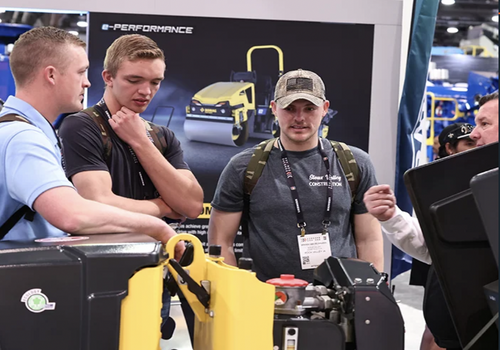
Electric and hybrid construction equipment gained traction in 2025; not as a full replacement for diesel, but as a jobsite-specific solution. Urban projects, indoor work and noise- or emissions-restricted sites drove adoption.
AEM’s ongoing research into alternative power highlights both the opportunity and complexity of this shift. In 2026, contractors will be less focused on if alternative power fits and more focused on where it delivers real value.

As the industry moves into 2026, the advantage belongs to contractors who treated 2025 as a year of learning and action. The insights gained are now driving smarter decisions and stronger performance.
3. SMART EQUIPMENT BECAME THE STANDARD, NOT THE EXCEPTION
Telematics, machine control and automation continued expanding across fleets in 2025. Contractors increasingly relied on connected equipment to monitor utilization, idle time, fuel use and maintenance needs.
This trend aligns with broader industry data showing productivity improvements tied to connected jobsites. In 2026, contractors who aren’t leveraging equipment data risk falling behind peers who use it to control costs and improve safety.
4. AI SHIFTED FROM BUZZWORD TO BACK-OFFICE TOOL
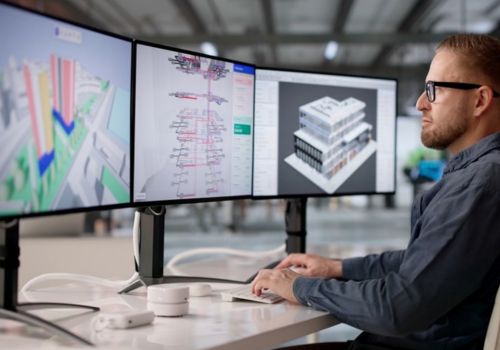
Artificial intelligence quietly made its way into construction workflows in 2025, especially in estimating, scheduling, document management and predictive maintenance.
While AI didn’t replace people, it helped teams work faster and spot issues earlier. Construction remains early in AI adoption compared to other industries, but momentum is building. In 2026, expect AI to become more embedded in everyday project management tools.
5. COST PRESSURES FORCED SMARTER DECISION-MAKING
Material prices stabilized somewhat in 2025, but labor, insurance and financing costs continued to pressure margins. Contractors responded by becoming more disciplined about equipment ownership decisions, job costing and scheduling efficiency.
The Bureau of Labor Statistics continued to show elevated construction input costs throughout the year. Heading into 2026, contractors will be focused less on growth at all costs and more on predictable, profitable work.
6. INFRASTRUCTURE FUNDING TRANSLATED INTO REAL PROJECTS
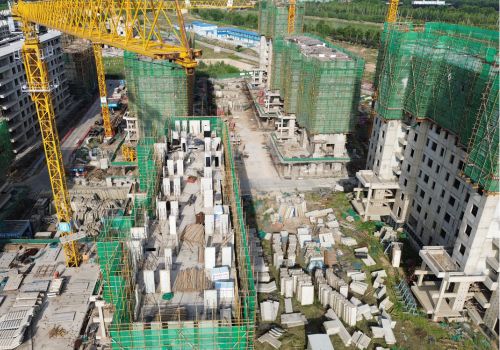
In 2025, infrastructure funding from the Infrastructure Investment and Jobs Act (IIJA) increasingly turned into shovels in the ground, particularly in transportation, energy and water projects.
This pipeline sets the stage for 2026 to be another strong year for heavy civil and infrastructure contractors.
7. SAFETY EXPECTATIONS CONTINUED TO RISE
Safety remained a top priority in 2025, driven by OSHA enforcement, owner requirements and insurance scrutiny. Hazards like struck-by, caught-in/between, falls and trenching remained a focal point.
What shifted was emphasis on leading indicators such as near-miss reporting and pre-task planning. In 2026, contractors will be expected to demonstrate not just compliance, but proactive risk management.
8. WORKFORCE WELL-BEING BECAME A BUSINESS ISSUE
Mental health, fatigue and burnout were no longer treated as “soft” topics in 2025. The industry highlighted the connection between worker well-being, safety performance and retention.
As the workforce remains stretched, 2026 will see more companies integrating mental health resources into safety and HR programs.
9. SUSTAINABILITY SHIFTED TOWARD PRACTICAL ACTIONS
Rather than sweeping ESG commitments, contractors in 2025 focused on practical sustainability steps: reducing idle time, optimizing fuel use, minimizing rework and exploring low-emissions equipment where feasible.
These operational improvements often delivered cost savings alongside environmental benefits. In 2026, sustainability will continue to be executed through practical, jobsite-level actions.
10. CONTRACTORS EMBRACED CHANGE AS A CORE SKILL
Perhaps the biggest shift of 2025 was cultural. Contractors who thrived were those willing to test new tools, rethink processes and invest in people; even amid uncertainty.
The industry learned that resilience isn’t about chasing every trend, but about adapting thoughtfully. That mindset will define success in 2026.
LOOKING AHEAD TO 2026
The trends that shaped 2025 aren’t going away. Workforce shortages, equipment evolution, cost discipline and technology adoption will continue influencing how contractors plan, bid and execute work.
As the industry moves into 2026, the advantage belongs to contractors who treated 2025 as a year of learning and action. The insights gained are now driving smarter decisions and stronger performance.
Start the new year with CONEXPO-CON/AGG 2026, where you can see the latest equipment, learn strategies from industry leaders and make connections. Register today.
Photo credit: SHUTTERSTOCK/AP911_STUDIO