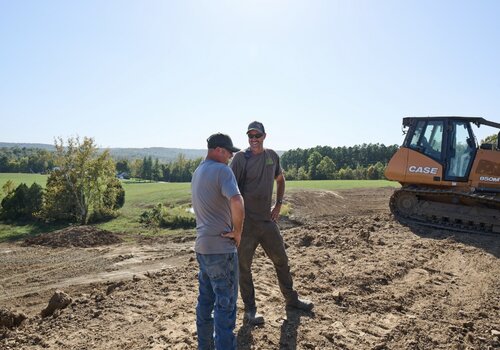
Winter doesn’t just slow production, it changes how your entire operation behaves. Fluids thicken, batteries strain, roads weaken during the thaw and jobsite conditions swing from icy to muddy to stormy in a matter of days.
Without preparation, Spring can quickly result in downtime and avoidable injuries. Here’s a field-tested way to shift your company from winter mode to spring productivity.

Before you bring crews and equipment back to full tempo, walk every active and soon-to-be-active site with one goal: find what winter hid.
1) DO THE “SPRING THAW WALK” BEFORE YOU REMOBILIZE
Before you bring crews and equipment back to full tempo, walk every active and soon-to-be-active site with one goal: find what winter hid.
Look for:
-
Soft shoulders, undermined access roads and rutting from freeze-thaw cycles.
-
Pooled water, clogged swales and drainage points that worked in October but fail in March.
-
Slip/trip zones at entrances, laydown areas and around trailers.
OSHA’s construction resources are a good reminder here: spring hazards aren’t “new,” they’re the same basics—access/egress, housekeeping, fall protection, traffic control—under worse footing and visibility.
2) BRING EQUIPMENT BACK ONLINE WITH CARE
Spring start-up is when small issues become expensive ones: cracked hoses, leaks, loose clamps, contaminated fluids and worn tires/tracks that weren’t obvious when equipment was parked.
Make recommissioning a repeatable routine:
-
Visual inspection first (leaks, abrasion, cracks, corrosion).
-
Warm-up procedures before putting systems under load.
-
Daily pre-op checklists that operators will use.
Manufacturers emphasize simple, disciplined inspections, especially around hydraulic systems. This includes visually inspecting hydraulic hoses for cracks, abrasions, bulges and leaks as early warning signs before failure.
For evacuators that were stored during the cold months, it is important to do a thorough inspection by checking all major systems.
3) PLAN FOR SPRING ROAD RESTRICTIONS
In many northern states, spring thaw triggers seasonal weight restrictions to protect roads when they’re weakest. If you move heavy equipment, aggregates, asphalt or oversized loads, this can quietly blow up your schedule.
Build a “restriction-aware” logistics plan:
-
Identify likely restricted corridors on your common routes.
-
Pre-stage materials when appropriate.
-
Confirm permitting constraints and timing; don’t assume winter rules still apply.
The Michigan DOT, for example, issues annual spring weight restrictions and notes limits and permitting impacts tied to thaw conditions. And the Minnesota DOT publishes seasonal load limit status and zone timing tied to spring load restrictions.
4) REFRESH YOUR SEVERE-WEATHER PLAYBOOK
Spring brings thunderstorms, lightning, and tornado risk in many regions. Don’t wait until the first warning to figure out where everyone is supposed to go. Now is the time to create and implement weather plan for the year.
Two essentials to tighten now:
-
Lightning rules: NOAA guidance highlights that the safest place in a thunderstorm is a large, enclosed building with wiring/plumbing ; not an open-sided shelter.
-
A site-specific severe weather plan: The National Weather Service encourages having a plan for wherever you are—including work—so actions are automatic when minutes matter.
5) DON’T WAIT TO ADDRESS HEAT ILLNESS
It’s easy to think heat stress is a mid-summer problem. But injuries often spike when workers aren’t acclimatized yet, especially when spring workloads ramp quickly. Take time now to prepare for heat illness prevention.
NIOSH’s most recent recommendations focus on practical controls like water, rest, shade, acclimatization, and planning for hot/humid conditions.
The Center for Construction Research and Training (CPWR) also underscores that construction workers are disproportionately affected by heat stress and related illnesses and injuries.
SPRING IS A RESTART, NOT A SWITCH
The best spring transitions are operational and cultural. Treat the first two weeks like a restart:
-
Re-brief critical hazards and “near-miss” lessons from winter.
-
Reconfirm roles, handoffs and who approves what in the field.
-
Build a short “stability window” into schedules for weather delays and inevitable fixes.
Taking time to be prepared doesn’t slow you down; it prevents the expensive delays that come from moving too quickly once temperatures start to warm.
PHOTO CREDIT: SHUTTERSTOCK/BANNAFARSAI_STOCK