Most contractors will tell you their people are their greatest asset. But construction has some of the highest turnover of any industry, and the workers walking off jobsites are rarely leaving over wages alone.
Work Institute Research finds that career development drives employee departures more than twice as often as pay. When a crew member cannot see a future with your company, a competitor's offer starts to look better.
That gap between what a company says and what an employee experiences every day is where retention breaks down. Closing the gap requires putting clear systems in place.
TREAT THE WORKPLACE LIKE A PRODUCT
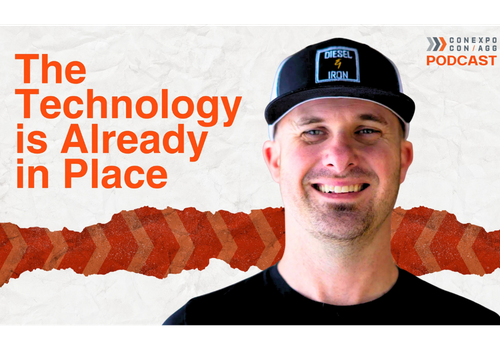
Burns Dirt CEO Nic Parish argues that companies should treat the workplace as a product employees choose to keep using. Products earn loyalty by meeting real needs, and Nic uses Maslow's hierarchy to map them, from a safe jobsite and a dependable paycheck up through belonging, recognition and growth.
Start with an honest audit. Pick one level of that hierarchy and ask whether your company consistently delivers on it. Safety and pay are essentials. The top sections of the hierarchy, like belonging and self-esteem, are where contractors lose good people.
BUILD CULTURE THROUGH REPEATABLE SYSTEMS

"Culture isn't a vibe it's a system"
Nic Parish
CEO, Burns Dirt
"Culture isn't a vibe, it's a system," Nic says. "A system we put in place to encourage an output that we want." Three systems carry most of the weight.
- Onboarding should begin before day one. A new hire who gets a call from a supervisor, a schedule and a clear first-week plan arrives ready to work and far likelier to stay through the risky first 90 days.
- Feedback loops keep small frustrations from becoming resignations. A five-minute check-in after week one, month one and month three catches problems while they are still fixable.
- Recognition works the same way when it is built into the routine rather than saved for an annual banquet.
MAKE THE NEXT STEP VISIBLE
Field crews leave when the path forward is invisible. Spell it out to your teams and define what moves an apprentice to journeyman, or a foreman to superintendent, tying each step to specific skills a supervisor can coach on the job.
This matters most at the supervisor level. Gallup reports that manager engagement fell to 22% in 2025, down five points in a single year. Yet within best-practice organizations, 79% of managers stay engaged, nearly four times the global average. Developing field leaders is one of the highest-return retention moves available to a contractor.
GIVE PEOPLE A REASON TO BELONG
Symbols matter on a jobsite. Company gear, crew names, a wall of completed projects and public credit for good work all signal that a worker is part of something. These cost little and pay back in loyalty.
Where to start in the next 30 days: Pick one touchpoint and run it through a simple test: Is it clear, is it consistent and does the employee know what comes next?
Then take three steps:
- Rebuild your first-week onboarding so every new hire gets the same structured start.
- Schedule recurring check-ins at week one, month one and month three, and hold supervisors to them.
- Write one advancement path, share it with your crews and name the skills that move someone up.
Most of these steps cost little beyond attention and consistent follow-through. Contractors who treat culture as a system they maintain keep more of the people they call their greatest asset.
For more on building a strong jobsite culture, learn how inclusive recruiting practices can help contractors attract talent, strengthen workforce development and create more engaged teams.