As construction companies face growing labor shortages and leadership gaps, many are finding an unexpected solution: military veterans.
Adam Stark, founder and COO of Jet.Build, is working to highlight those strengths through his podcast, The Veterans Who Build Show. The show features veterans working across the built environment and explores how leadership, teamwork and resilience developed during military service translate into civilian careers in the trades.
Each episode focuses on the transition period service members experience when leaving the military and the challenges they may encounter along the way. Guests share how they are building successful civilian careers.
The goal is not only to connect with other veterans, but also to help those who have never served better understand the experiences and perspectives veterans bring to the workforce.
Adam hopes the show will help contractors see that many veterans already possess the skills construction companies struggle to find.
In both military operations and construction projects, teams must work toward a shared objective while managing risk and coordinating across multiple roles.
WHY MILITARY EXPERIENCE FITS CONSTRUCTION
Many of the skills developed in the military translate directly to the construction industry.
In some cases, the connection is obvious.
Service members in construction battalions often learn specific crafts during their military service that directly translate to trades outside the military. Those technical skills can make the transition into civilian construction careers relatively seamless.
Veterans also have “soft skills” in leadership and teamwork abilities, which can be harder to teach.
Safety
One of the key skills veterans have is maintaining a strong focus on safety. In both military operations and construction projects, teams must work toward a shared objective while managing risk and coordinating across multiple roles.
Adaptability
Veterans are also accustomed to adapting when plans change, something that happens often in the industry.
“Even if the weather is terrible, even if someone doesn't show up, even if there's a complete mistake on a set of drawings, there isn’t a complete disconnect,” Adam says of veterans who enter the trades.
Leadership
Operating in fast-paced environments also means service members are used to staying calm under pressure and maintaining focus in demanding situations.
“There are great parallels with service and how it relates to learning how to lead teams in hectic environments and how to keep a cool head,” Adam notes.
These qualities make veterans particularly valuable in an industry where experienced leaders and skilled workers are increasingly difficult to find.
TAPPING INTO THE VETERAN WORKFORCE
Companies that connect with service members transitioning into civilian careers can help address two of the construction industry’s biggest challenges: labor shortages and an aging workforce.
As experienced workers retire, companies are not only losing skilled labor but also valuable leadership experience. Veterans can help fill both gaps.
“If you want to cover a skills gap, you could focus on the service members who literally learned a trade skill. You could also find officers to easily cover the leadership skill sets to plug in those gaps,” Adam says. “So that's really part of the goal is to try and make a dent in some capacity.”
Through his podcast conversations, Adam has interviewed numerous veterans who have gone on to become successful leaders in construction companies. Some have even managed to balance leadership roles in their businesses while continuing to serve in reserve duty.
As construction companies continue searching for workers who can lead teams, manage risk and stay adaptable in challenging environments, veterans represent an underutilized talent pipeline.
How Contractors Can Connect with Veteran Talent
Contractors looking to strengthen their workforce can take several practical steps:
-
Partner with veteran transition programs that help service members move into civilian careers.
-
Highlight leadership opportunities in job postings to attract veterans with team management experience.
-
Emphasize mission-driven work that shows how construction projects impact communities.
-
Provide structured onboarding or mentorship programs to help veterans translate military experience into construction roles.
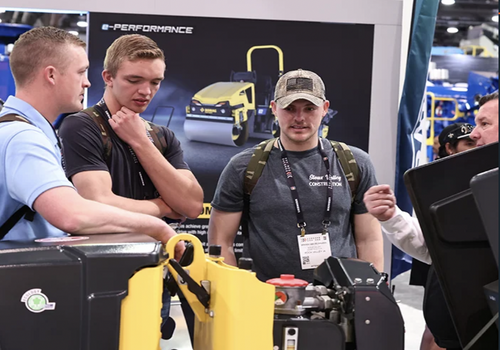
PHOTO COURTESY CONEXPO-CON/AGG