A delivery arrives on time, but the materials are staged on the opposite side of the jobsite. Before work can begin, those materials been moved twice to make room for another delivery. Valuable labor hours have been spent transporting materials on site before any productive work has begun.
Contractors spend significant time planning labor, schedules and deliveries. While material staging often receives far less attention, despite its huge impact on productivity. Where materials are placed matters just as much as when they arrive.
POOR STAGING WASTES TIME BEFORE WORK BEGINS
According to a study done on Lean Construction, only 20% to 30% of construction activities are productive due to inefficiencies in construction processes and unnecessary tasks.
Poor staging can force double handling right away. Materials may arrive on time but still require multiple moves over the course of a project, as work areas change and deliveries continue to arrive.
Every unnecessary touchpoint increases labor costs and creates more opportunities for delays, material damage and work disruptions.
Good staging begins by asking a simple question: where should materials be located when work begins?

Good staging begins by asking a simple question: where should materials be located when work begins?
STAGING SHOULD FOLLOW THE LOOK-AHEAD SCHEDULE
A staging plan should operate in tandem with the project schedule.
Site layout, delivery sequencing and installation capacity should all be considered when making decisions. Materials delivered weeks before they’re needed can create congestion and require additional handling. Deliveries that arrive too late can bring work to a standstill.
Waste and rework account for between 5% and 20% of project costs. These costs reinforce the importance of reducing unnecessary movement and material handling wherever possible.
Look-ahead schedules can help contractors coordinate deliveries amid changing site conditions. Designated laydown zones should be identified early and revisited throughout the project as work progresses.
Before materials arrive, contractors should consider:
- Are they ready to be installed?
- Where will they be staged?
- Will access routes change over the next two weeks?
- Can workers retrieve materials quickly and safely?
Taking the time to answer these questions early can mean the difference between installing materials once and moving them twice.
GOOD STAGING REQUIRES RESPONSIBILITY
Common staging failures are rarely caused by deliveries alone. Materials may arrive before the laydown zones have been established, labels may be unclear or changes to schedules and access routes may not be communicated properly.
Staging plans don’t remain effective unless someone is responsible for maintaining them. As projects move forward, deliveries may need to be re-sequenced and material locations may need to change for better flow.
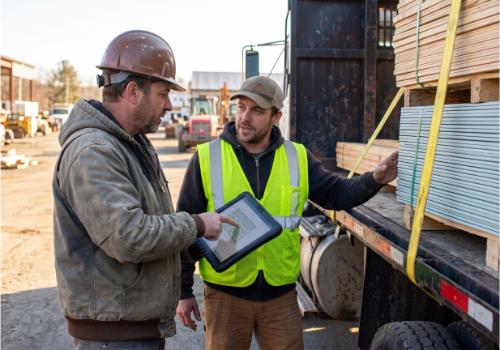
Whether the responsibility is assigned to a superintendent, project manager or coordinator, decisions should be communicated across all teams involved.
SIMPLE TOOLS IMPROVE COORDINATION
Improving the flow of material doesn’t always require high-end technology. Site plans, delivery calendars and clear labeling and communication can significantly improve it.
Recent case studies have demonstrated measurable improvements through better material handling and planning practices, including a 30% reduction in lead time and 10% improvement in labor productivity.
Larger projects may benefit from QR codes, GPS tags or digital logistics platforms that provide greater visibility into product locations and delivery schedules. The most effective tools, however, are the ones teams will use consistently.
A clear staging plan is ultimately a productivity system. It reduces unnecessary movement, improves communication and keeps work moving effectively throughout every phase of construction.
Contractors should identify designated laydown zones early, align deliveries with look-ahead schedules, assign ownership of staging decisions and communicate any changes to their teams. A clear staging plan improves workflow, reduces congestion and keeps productivity high.
Equipment staging is only part of the equation. Once equipment leaves the jobsite, safe transportation and storage practices help prevent damage, theft and unnecessary downtime. Read Best Practices for Safe Transportation and Storage of Construction Equipment for additional guidance.