Budget overruns often trace back to the small line items no one bothered to track in the first place. Construction cost estimation gets attention on the front end, but the real leaks show up during execution. Fuel, small tools, idle time, and forgotten software subscriptions rarely show up in the postmortem.
What gets tracked gets managed, and what does not get tracked becomes accepted waste. Finding the leaks is usually easier than most owners assume once someone looks at the right places.
Underused Software Subscriptions Quietly Drain the Budget
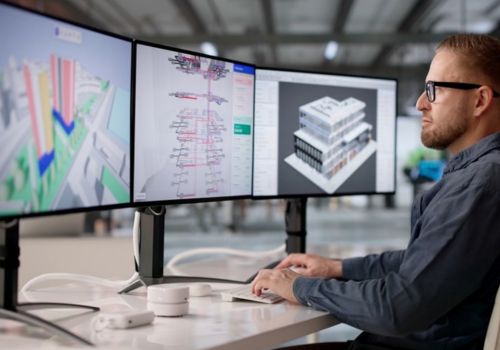
Some contractors carry a stack of software licenses that no one on the current crew actively uses. Budget overruns often start with recurring subscriptions inherited from a past project or a former employee. The monthly hit looks small until it stacks up across a dozen tools no one owns:
-
Duplicate project management platforms - Multiple tools doing the same job because teams migrated but never canceled
-
Per-seat licenses for departed employees - Active seats billed monthly for people no longer on the payroll
-
Trial upgrades that auto-renewed - Premium tiers activated for one job and never rolled back
-
Add-on modules no one uses - Optional integrations bundled into the base contract without a live use case
-
Backup and storage plans past their capacity - Legacy cloud tiers oversized for current data volume
An annual audit of active users against active licenses recovers the leaks fastest. Owners who cancel or downgrade in one sitting see the recovery show up in the next quarter. Underused jobsite data reinforces how much value sits inside tools contractors already pay for.
Idle Equipment Creates Budget Overruns No One Flags

Equipment sitting on a lot or a job costs money whether it runs or not. Depreciation, insurance, financing, and yard space add up on machines earning nothing between assignments.
Equipment sitting on a lot or a job costs money whether it runs or not. Depreciation, insurance, financing, and yard space add up on machines earning nothing between assignments. Costs tied to underused equipment rarely appear on a single line item.
Utilization tracking through equipment telematics gives owners a clear picture of how often each machine works. A dozer running fewer than 200 hours a quarter usually costs more to own than to rent. The math changes the conversation from "we own it" to "we should not."
Rental swaps free up capital and cut fixed carrying costs on assets used seasonally. Contractors moving underutilized units into a lease-back or resale arrangement recover working capital fast. The recovered cash often funds newer equipment better matched to the current backlog.
A fleet review pulls every machine's quarterly hours from the telematics dashboard and ranks them against carrying cost. Anything under the rent-versus-own threshold gets flagged for sale, sublease, or reassignment before the next season. Running the review every six months keeps the leak from reopening and takes the emotion out of holding unused iron.
Coordination Gaps Between Trades Cause Hidden Budget Overruns
Coordination problems rarely show up as a single budget line. Instead, they get scattered across the job in the form of delays, rework, and standby time. A framing crew arrives before the slab is ready, materials get delivered to an area that is still occupied, or one trade finishes late and pushes back the work behind it. By the time the impact is felt, it can be difficult to trace the cost back to the original breakdown.
Because those costs are spread throughout the project, they are easy to overlook during estimating. The coordination effort needed to keep multiple trades moving often ends up larger than the schedule suggests.
Pull-planning meetings give foremen a chance to identify handoff issues before crews are affected. Digital coordination tools can support those conversations by tracking dependencies and making upcoming constraints easier to spot. When communication stays informal or relies on verbal requests, small misses have a way of becoming larger disruptions later.
Small Tools and Consumables Add Up Faster Than Owners Track
Small tools, blades, bits, and consumables walk off jobs at a rate most owners never quantify. A twenty-dollar item lost weekly across a dozen crews turns into serious money by year-end. Losses in this category rarely trigger alarms because no single one looks meaningful.
Simple tracking closes the gap without turning the yard into a warehouse operation:
-
Tool crib check-out logs - Sign-out sheets or QR codes tying each item to a worker for the shift
-
Consumables tied to job codes - Bits, blades, and abrasives charged to the project pulling them
-
Quarterly inventory counts - A short audit that flags what walked and what stayed
-
Vendor-managed replenishment - Consignment stock that only bills when items get pulled
Visibility alone can change the behavior of some crews. Workers treat tools differently when they know each item is tracked to a name and a job. Equipment sharing platforms extend the same principle to larger assets that would otherwise sit idle between jobs.
Where the Money Actually Went
Overruns rarely come from one dramatic miss. They come from small, quiet leaks that add up across software, equipment, coordination, and consumables. Tracking each category with the discipline used for major line items changes the picture at closeout, and the postmortem stops being a mystery and starts being a scorecard.