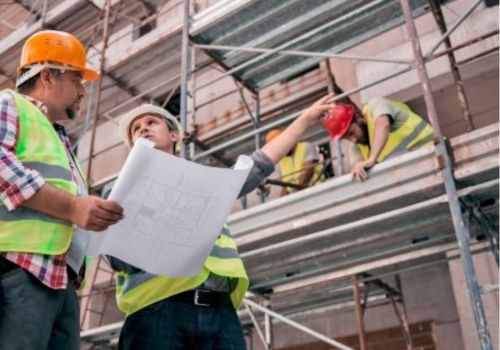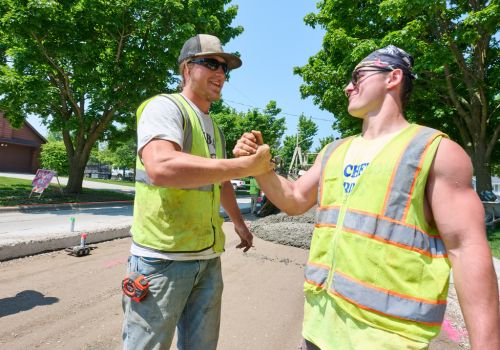
At 7:30 p.m. on a stretch of I-70 near Denver, a crew is out setting cones and laying down the first mat of the shift so commuters can get to work the next morning without knowing anyone was there. Construction Appreciation Week arrives each September, though the men and women who are doing work deserve recognition all year long. Skilled trades keep people, projects and entire communities moving every day.
Roadways, jobsites and infrastructure projects across every sector rarely get a second thought from the people who use them. The work quietly makes it possible for others to travel safely, keep businesses running and reach the services they need. Showing true appreciation means recognizing both the people and the work, and it shows up in how contractors run their crews the other 51 weeks of the year.
Why Construction Worker Appreciation Week Matters This Year
National Construction Appreciation Week runs the third week of September each year, according to the National Day Calendar. The observance began in 2018 after Mike Rydin, HCSS CEO, launched the I Build America movement in 2016 to build pride in the industry and inspire the next generation of workers.
The timing lands during one of the most challenging workforce moments the industry has faced. According to Associated Builders and Contractors, the construction industry needs an estimated 349,000 net new workers in 2026, with the shortage mainly attributable to retirements of industry veterans and rapid demand growth in specialized regions and occupations. Building the necessary skills takes years, which makes attracting, developing, and retaining talent a priority for every contractor. That's one reason Construction Appreciation Week has evolved beyond simple recognition and become a valuable opportunity to showcase the industry to future workers.
Why Appreciation Week Doubles as a Recruiting Tool

For contractors facing workforce shortages, Construction Appreciation Week can serve as both a recognition effort and a recruiting opportunity.
Skilled trades often receive less visibility than other career paths, leaving many students and job seekers with an incomplete understanding of the opportunities construction offers. For contractors facing workforce shortages, Construction Appreciation Week can serve as both a recognition effort and a recruiting opportunity.
Construction Appreciation Week gives contractors an opportunity to highlight the people, skills, and careers that keep the industry moving. By showcasing real projects and the professionals behind them, companies can help students and job seekers better understand what construction work looks like and where it can lead. That visibility can support broader recruiting efforts while also celebrating the contributions of today's workforce.
Appreciation Week can also help change perceptions of the industry among the people who often influence career decisions, including parents, spouses, and other family members. Inviting families to tour projects or meet crews provides a firsthand look at the professionalism, skill, and dedication required to build and maintain critical infrastructure.
Why Mentorship Matters for the Next Generation
Every finished project reflects thousands of small decisions made correctly under time and budget pressure. Whether it's interpreting blueprints, operating equipment, or solving problems in the field, construction requires skills that are developed through years of hands-on experience.
For many workers, those skills are passed down through mentorship on the jobsite, making experienced crew members one of the industry's most important training resources. A journeyman showing an apprentice how to read the ground before a first cut, or how to feel when a weld is running right, teaches things no training video can capture. That transfer only happens when contractors protect the time and pairings that make it possible.
The workforce math makes mentorship even more urgent. With retirements driving most of the 349,000-worker gap in 2026, every experienced tradesperson leaving the industry takes decades of knowledge with them if that knowledge never transfers to the next generation on site.
Companies serious about construction worker appreciation build formal mentorship into the workflow rather than leaving it to chance. Pairing apprentices with veteran crew members on jobs, protecting time for teaching moments and recognizing mentors as skilled contributors in their own right turns appreciation into a talent pipeline that lasts well beyond a single September observance.
Appreciation That Truly Reaches the Crew
Construction Worker Appreciation Week gives everyone a reason to notice the work out loud, but real appreciation lasts longer than one week and shows up in how contractors treat their crews all year.
Retaining skilled workers through the coming decade requires making appreciation part of everyday jobsite culture rather than limiting it to a single week on the calendar. A thank you during the third week of September matters. The way a supervisor talks to that same worker on a rainy Tuesday in February matters more.