Every day, someone on the crew, a customer or a partner brings the owner a problem to solve. Meanwhile, the owner faces plenty of first-time decisions, from hiring and equipment purchases to cash flow and subcontractor management. But when the owner is the one everyone turns to, who does the owner turn to?
Leading a contracting business or a crew can feel surprisingly lonely, especially during growth or a tough season. Many leaders also hesitate to share doubts with employees, which can make the weight feel heavier. Even experienced leaders keep learning as they go. Marvin Joles, owner of Wis-Coat and host of the In the Mix podcast, admits as much.
"I still don't think I know exactly what I'm doing," he says. "But I'm learning as we keep going." Finding mentors of your own, people you can learn from and lean on, makes those decisions far less isolating.
Finding Mentors that Fit Your Business
Many people try to find one perfect mentor. But often you are better off finding different people that can help with different parts of running the business. Someone doesn't have to understand asphalt to understand hiring, leadership, cash flow or family-business challenges. In fact, an outside view often catches blind spots that industry insiders miss.
A well-rounded circle usually includes a mix of voices. Each one brings a perspective the others can't, and together they cover far more ground. Some people to consider include:
-
Experienced contractors. They've already faced many of the same growing pains.
-
Business owners in other industries. They often see pricing, operations and people issues with fresh eyes.
-
Former bosses or colleagues. They know your strengths and blind spots better than most.
-
Accountants, attorneys and other advisors. They help with decisions that carry financial or legal weight.
-
Friends and family. They know both the owner and the business on a personal level.
-
Manufacturers, dealers and trusted industry contacts. They see how many companies tackle the same problems.
The mix matters more than the size of the circle. Three or four trusted voices can cover more ground than a crowded contact list. Revisit the circle as the business changes, since a company with 10 employees faces different questions than one with 100.
Find Peers Who Have Face Similar Challenges
Some questions still call for someone who knows the work firsthand. Peer contractors make valuable sounding boards for equipment purchases, estimating, new service lines and workforce challenges. They also know the realities of subcontractor management, from vetting new partners to handling slipping schedules. A peer who expanded into a new market last year can save you months of trial and error.
Industry associations offer structured ways to find those peers. For example, many Associated General Contractors of America chapters run Young Constructors Forums for professionals under 40. Those groups combine education, networking and leadership roles, so relationships grow over time. Peer advisory groups, where owners from noncompeting companies meet regularly, offer another route to honest feedback. Trade-specific associations often run similar programs for paving, aggregates and other specialties. Formal mentorship in construction programs can also pair newer leaders with seasoned ones.
Look Beyond Traditional Networking
While many connections grow from shared interests, repeated conversations and real problems. There are other ways that can easily be overlooked. Remember, the goal is finding people you can actually learn from, not collecting contacts.
Outside the industry, SCORE offers free, confidential mentoring through more than 10,000 volunteer business experts. Many mentors there come from finance, operations or management backgrounds that translate well to contracting. Local chambers of commerce and business groups also connect owners facing similar growth questions.
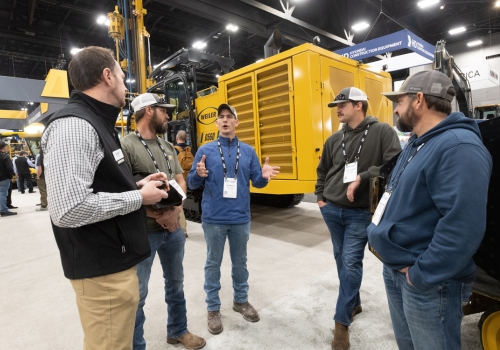
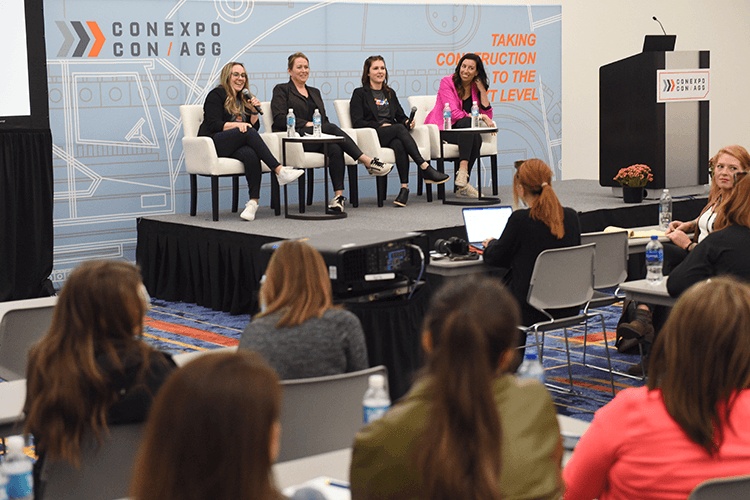
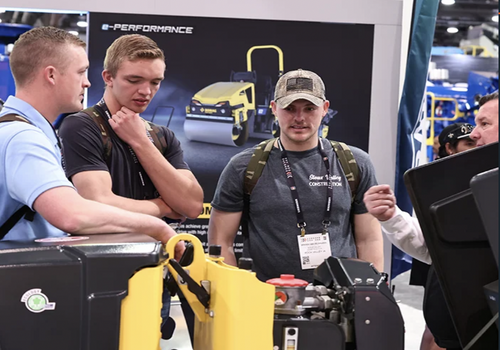
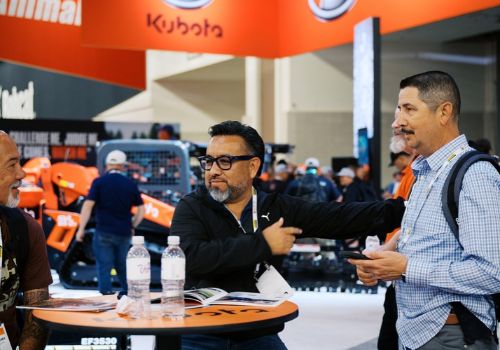
Online communities, industry podcasts and social media can introduce new voices between in-person meetings. They work best as a starting point, though. Marvin points out that in person, "there's parts of the conversation that come up that wouldn't have came up online." Industry events and local association meetings create exactly those openings, often over a machine or a cup of coffee.
Turn Contacts Into Resources

Check in after an event, share something useful and offer help before asking for it. Be specific when you reach out, since a focused question respects the other person's time.
Whether a connection starts at a show, online or over coffee, the first meeting only opens the door. The value comes from relationships strong enough to handle a phone call about a tough decision.
For Marvin, the shift happens when a contact becomes a resource. Once he has someone's phone number, he says, "I can call them whenever.”
Getting there takes follow-through. Check in after an event, share something useful and offer help before asking for it. Be specific when you reach out, since a focused question respects the other person's time. Over time, those small gestures build the trust that makes a call feel natural. Likewise, return the favor when someone calls you for perspective.
Owners, superintendents and newer crew leaders all eventually face decisions they've never made before. The final call may fall on you, but you don't have to reach it alone. With the right people around you, hard calls get a little clearer and the work feels a lot less lonely.