You’re reviewing an accident report. The driver says another vehicle cut them off due to low visibility. It’s the kind of situation where fault is hard to prove and even harder to prevent next time.
So the report gets filed. The claim moves forward. And the same questions come up again on the next incident.
Across construction fleets, those questions are pushing more companies to install telematics and dash cams. Nearly 9 in 10 fleets now use telematics as part of their safety programs, but many still struggle to turn that data into action.
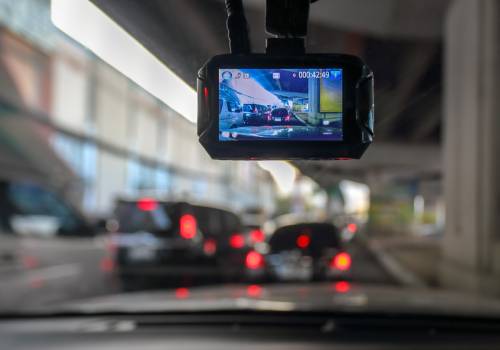
Dash cams can show what happened. Telematics can identify patterns. But neither changes outcomes on its own.

“The biggest ROI isn't the crash you capture. It’s the crash you prevent.” — Colton Rhew, Buckner HeavyLift Cranes
WHERE TELEMATICS ADOPTION BREAKS DOWN
Most fleets owners struggle with how to start using dash cameras and telematics. Concerns about driver privacy, pushback and retention often slow adoption or limit how aggressively the data is used.
When Buckner HeavyLift Cranes decided to install dash cams, leadership expected resistance. They worried the systems would feel intrusive. But the bigger risk was continuing without accountability.
“The risks of not implementing a telematics and coaching program…far outweigh any privacy concerns,” says Colton Rhew, National Safety Manager at Buckner HeavyLift Cranes.
WHY DATA ALONE DOESN’T CHANGE OUTCOME
Installing telematics is only the first step. Many companies collect data, monitor behavior and generate reports, but they stop short of acting on what they find.
After Buckner HeavyLift Cranes installed dash cams, they uncovered consistent issues in speeding, distraction and unsafe following. But unsafe behaviors don’t change just because they’re recorded.
That risk is amplified by the reality that distraction remains one of the leading causes of fleet incidents, often driven by phone use and in-cab activity.
When risky behaviors are tracked but not addressed, they will continue until they result in an incident.
WHAT ACTUALLY CHANGES DRIVER BEHAVIOR
Dash cams and telematics can surface risky patterns quickly, but long-term safety improvements only happen when contractors consistently use that information to reinforce expectations.
Buckner HeavyLift Cranes used the data collected to coach drivers and drive accountability.
“Dash cams give you visibility, but the real impact is when you consistently use the data that is in front of you,” Colton says.
Instead of reacting after incidents, the company addressed behaviors in real time. That’s when performance started to improve.
Across the industry, the biggest gains come when data is paired with action. Nearly three-quarters of fleets report fewer crashes when telematics is actively used to guide driver behavior.
HOW TO USE TELEMATICS DATA IN DAY-TO-DAY OPERATIONS
The companies seeing results don’t review telematics occasionally. They build it into daily operations. Here is what that looks like:
- Start with a daily scan
Review flagged events like hard braking, speeding or phone use. Focus on patterns to establish a baseline of driver behavior. - Focus on repeat behavior
One event may not matter. Repeated alerts from the same driver signal risk that needs to be addressed early. - Turn data into quick coaching
Use real dash cam footage to have short, direct conversations. Don’t wait for formal reviews. - Set clear action thresholds
Define what triggers coaching, retraining or discipline so responses stay consistent. - Look for system-wide patterns
If multiple drivers are flagged for the same issue, the cause may be operational, not individual. - Close the loop
Review incidents, address behavior and follow up. Data only matters if it leads to change.
TURNING DATA INTO MEASURABLE RESULTS
The real impact of telematics and AI-driven coaching shows up when safety conversations begin changing daily decisions behind the wheel.
Buckner HeavyLift Cranes reduced accidents from 21.7 to 4.5 per million miles—a 79% decrease.
Claims costs dropped. Insurance premiums improved. And incident response became more controlled.
“Even when we’re at fault, the dash cam video still helps because it narrows what can reasonably be disputed,” Colton explains.
Those results aren’t unique. Fleets that actively use telematics and AI-driven insights are seeing double-digit reductions in accidents, with some reporting major crash reductions of 50% or more within the first year
Telematics only becomes valuable when it drives action.
“The biggest ROI isn't the crash you capture. It’s the crash you prevent,” Colton says.
Learn more about how dash cams and telematics in the CONEXPO-CON/AGG 2026 session, Eyes on Safety: Enhancing Mobile Equipment with Camera Technology, by purchasing On Demand Education Access.
PHOTO CREDIT: SHUTTERSTOCK/TOA55