Sponsored Content
Stop by Superior’s CONEXPO-CON/AGG exhibit in the Silver Lot to compare cone crusher design options and discuss application specific recommendations with the team.
For a long time, choosing a cone crusher was simple. Most manufacturers offered one basic design, and aggregate producers learned how to make it work across a wide range of applications.
But today, that approach is getting harder to justify.
Materials have changed, specs are tighter, and circuits are more dialed-in, while producers are under constant pressure to hit tonnage targets without chewing through liners, burning excess horsepower, or fighting downtime caused by feed conditions.
That reality is driving a shift in cone crusher technology: one size no longer fits all.
Preference Matters, But Application Matters More
Most producers have a “style” of cone crusher they trust. Often, that preference comes from regional habits and long-standing dealer relationships. When a dealer supports customers well, keeps parts moving, and helps protect uptime, producers remember it. The machine becomes the go-to option, much like preferring a certain truck brand because it has earned its place over time.
But there’s another layer under that loyalty.
When you look closer at real-world applications, it becomes clear that different cone crusher designs shine in different roles, depending on feed size, fines content, portability needs, and product goals.
That’s why modern cone lineups are expanding into specialized designs that solve different problems.
Design #1: The High-Speed Bushing Cone
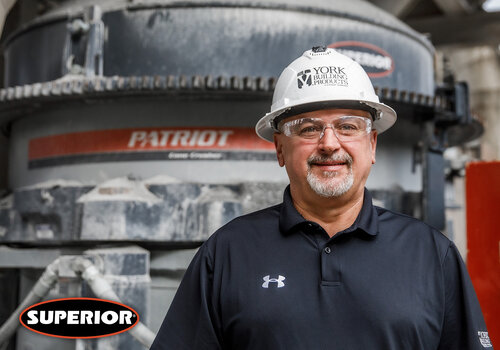
The most common cone crusher design is the high speed bushing style. It has earned a strong reputation through decades of installs and application experience. A familiar example of this design is the Patriot® Cone Crusher from Superior Industries, which reflects why bushing cones continue to be a dependable option across a wide range of crushing applications.
At its core, this design crushes material as the head oscillates on an eccentric, squeezing rock against the bowl liner until it fractures and discharges. The advantage is flexibility. This cone style can handle a wide range of liner profiles, uses horsepower efficiently, and offers strong tolerance when conditions are not perfect.
There are tradeoffs, of course. Bushing designs generate more heat, which typically requires larger oil systems and more cooling capacity. That can influence installation flexibility, especially in portable spreads.
However, one major advancement has expanded the range of applications where this style of cone can run confidently: crusher automation. Systems like Superior’s Vantage® Automation protect the Patriot Cone from misapplication by monitoring operating conditions and providing real time feedback.
In an industry where experienced operators and technicians are increasingly hard to find, automation can serve as an added layer of protection, catching issues like oversized feed or excess fines before they create instability or damage. The result is a steadier operation, fewer surprises, and more consistent performance shift after shift.
Design #2: The Efficient & Portable Roller Bearing Cone
Roller bearing cones represent a major shift in cone technology because they replace traditional bronze bushings with tapered roller bearings, reducing friction and changing the way the crusher carries load.
A strong example of this style is Superior’s Dakota® Cone Crusher, which is designed to deliver excellent horsepower efficiency and practical advantages for portable and cold weather operations.
With less internal friction, roller bearing designs can achieve lower horsepower per ton produced, which is one of the performance metrics producers care about most when balancing production goals with operating cost. Lower friction also means less heat transferred into the oil. When a crusher is not generating as much heat, it typically does not need the same oil volume to circulate or cool, allowing for a smaller oil tank and more compact lube package.
That matters in the real world, especially for producers building portable spreads or working in northern climates. Less oil volume means easier integration on wheeled chassis and less time spent waiting for oil temperatures to reach startup range on cold mornings.
Beyond efficiency, roller bearing cones can also bring strong performance in demanding feed conditions. Features like hydraulic anti-spin and higher clamping forces help stabilize operation, and this design tends to perform particularly well when the feed includes more contamination or “dirtier” material.
In many applications, it can also support higher tonnage of finer products, giving producers another lever to pull when product requirements change.
Design #3: The Simple, but Powerful Spider Bushing Cone
The third major cone crusher design category takes a different approach, focusing on simplicity and control in applications where feed conditions are tougher to manage. An example is Superior’s Endeavor® Cone Crusher, which uses a spider bushing configuration and a steeper head angle to handle challenges that can push other cone styles to their limits.
If you lined up different cones side by side, this one would stand out as a simpler looking machine, but that’s intentional. The Endeavor Cone design centers around a single large hydraulic cylinder that handles both adjustment and overload relief, reducing complexity while improving the crusher’s ability to operate in certain demanding scenarios.
One of the most noticeable advantages is feed size capability. In specific configurations, this design can accept larger feed than many traditional cone styles. For producers, that can open up opportunities to rethink the circuit without rebuilding everything upstream.
Another meaningful difference is how the crusher performs as wear parts age. Some cone designs effectively lose feed capacity as liners wear, which can shrink the operating window over time. The spider bushing design maintains a more consistent operating range throughout liner life, with no significant reduction in maximum feed size as wear progresses.
Just as important, it can adjust while running under full load, allowing operators to react quickly to changing conditions without stopping production. That ability to stay steady under load can be the difference between chasing the crusher and running the plant.
So, Which Cone Model is Best?
That’s the wrong question. The right one is: Which offers the best fit for your application?
Each cone type offers strengths that matter in different scenarios:
- Need a proven, widely understood cone with broad application experience? A bushing cone often fits well.
- Want efficiency, lower horsepower per ton, and a cone that integrates well into portables? A roller bearing cone may stand out.
- Fighting large feed, high fines, or inconsistent performance throughout liner life? A spider bushing design may be better.
In fact, some producers are increasing throughput without rebuilding the entire plant by rethinking just one position in the circuit. If a secondary cone can accept a larger feed size, for example, it may allow more open settings upstream, removing bottlenecks and increasing overall plant capacity.
The Best Cone is Job Specific
Cone crusher selection is no longer about making one design work everywhere. It’s about matching the design to the material, the circuit, and the production goal, with fewer compromises.
Producers who understand the real differences between these cone styles put themselves in a better position to improve uptime, increase capacity, and protect margins, even when conditions are less than ideal.
Because today, in crushing, the equipment that wins is not just the one you prefer, it’s the one that fits the job.