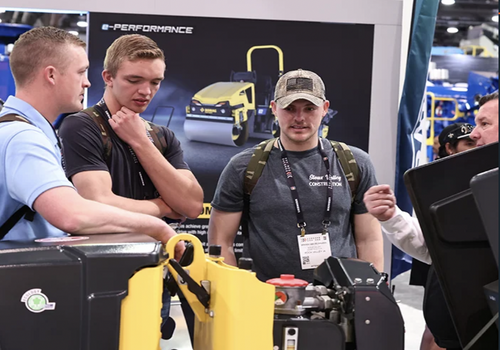
As part of the Ground Breakers Stage at CONEXPO-CON/AGG, Procore will present Iron, Data, and Dust: The Real Future of Automation and the Workforce on Thursday, March 5, from 11:00 a.m. to 11:45 a.m. Led by Sasha Reed, Senior Director of Industry Transformation, the session tackles a challenge many contractors are confronting right now: how to scale productivity and meet demand while labor shortages continue to limit available workforce.

Automation becomes valuable when it absorbs repetitive administrative tasks that pull skilled professionals away from leadership and decision making.
The Real Problem Behind Automation
Automation and artificial intelligence are often discussed as transformative forces in construction, but the real challenge lies beneath the surface. Crews are not struggling because they lack technology. They are struggling because too much time is spent navigating disconnected systems, manual processes, and outdated information.
Reed describes the issue as a structural one. “We are helping contractors move from reactive firefighting to scalable growth,” she says. That shift requires addressing how work flows across a project, not just adding new tools. Without connected systems, teams are left reacting to problems after they surface instead of preventing them earlier.
Experience Still Leads the Work
A common misconception Reed continues to encounter is the idea that AI is meant to replace human expertise. In reality, construction still depends heavily on judgment and experience. “Rather than replacing human expertise, we are shaping a future where experience leads and AI executes,” she explains.
Automation becomes valuable when it absorbs repetitive administrative tasks that pull skilled professionals away from leadership and decision making. AI driven workflows can assist with scheduling, documentation, and risk identification, allowing teams to surface issues earlier and respond with more confidence. This is less about doing more work and more about using skilled time wisely.
In an environment where qualified labor is increasingly difficult to find, Reed emphasizes the importance of efficiency. “We help teams make every hour count,” she says. That means reducing waste and allowing experienced workers to focus on planning, problem solving, and mentoring rather than paperwork.
Closing the Information Gap
Another persistent challenge across construction projects is the disconnect between the field and the office. When jobsite updates move slowly or live in silos, schedules and budgets lose alignment with reality. Reed points to this gap as a major contributor to rework and profit leakage. “We are directly addressing information silos between the jobsite and the trailer,” she says. “Field changes should instantly reflect in budgets and schedules.”
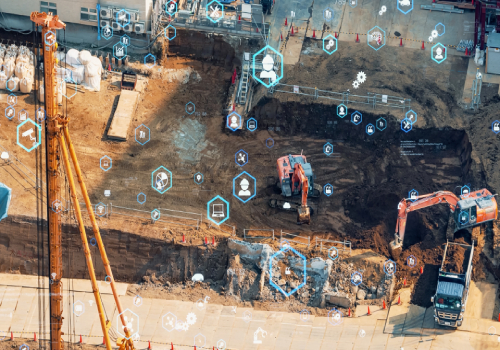
A connected construction ecosystem helps solve this problem by linking labor, equipment, and materials in real time. Reed describes this approach as operating from “a command center, not a rearview mirror.” With a shared source of truth, teams can identify risk sooner and make decisions based on current conditions rather than assumptions.
Technology That Supports the Workforce
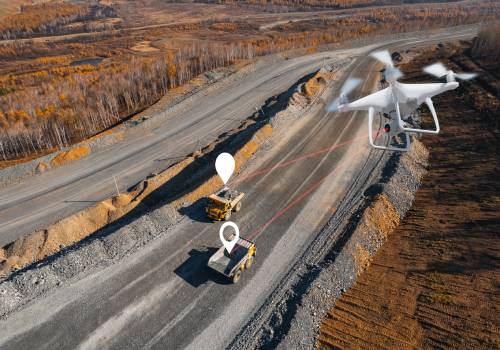
The conversation also includes practical examples of how AI and robotics are already supporting crews today. Robotics can take on dull, dirty, and dangerous tasks, improving safety while reducing physical strain. AI can help identify patterns and conflicts that might otherwise go unnoticed. In each case, the technology is positioned as support for people, not a replacement for them.
Why This Matters Now
As construction navigates workforce constraints and rising expectations, the path forward is less about disruption and more about alignment. Automation, when applied thoughtfully, can help teams work more consistently and sustainably without losing the human core of the industry.