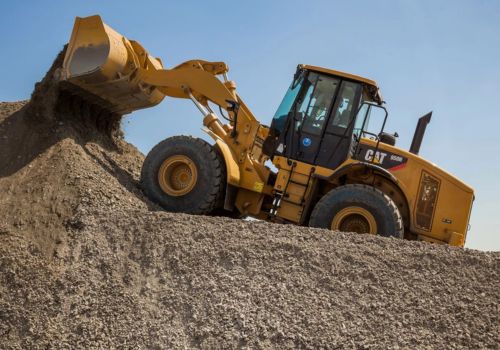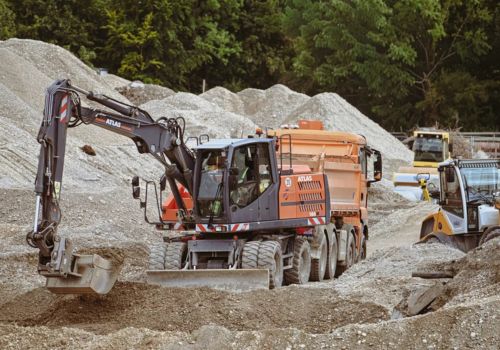
The excavator is still running, but the warning signs are already building. Hours are climbing. Sensor data is shifting. A fault code appears, clears and comes back again.
No one can see the failure yet, but the machine is already telling a story.
That is where AI is beginning to change equipment management. The technology can help identify problems earlier, but it cannot decide who owns the next step, whether the data is reliable or how the repair fits into the schedule.
Here are five ways contractors can start building AI-ready maintenance teams.

Contractors do not need to overhaul every maintenance process at once.
1. START WITH ONE PROBLEM WORTH SOLVING
Contractors do not need to overhaul every maintenance process at once. Start with one issue the team already understands, such as emergency parts orders, repeat failures, missed warranty claims or time lost rewriting work orders.
Predictive maintenance is one of the most practical uses of AI in equipment management. Instead of relying only on fixed service intervals or reacting after a breakdown, AI can analyze usage hours, performance trends, fault codes and sensor inputs to flag problems before they stop production.
That earlier warning gives teams more options. A machine trending toward failure can be reviewed, scheduled for service and repaired before it is pulled from the job.
“Bottom line is, it doesn’t fix your machines, but it can help reduce the friction around your work,” says Bruce Rasa, Chief AI Strategist at DownintheDirt.ai.
2. CLEAN UP THE DATA BEHIND THE DECISION
AI is only as useful as the information behind it. If maintenance records are incomplete, inconsistent or stored across too many systems, teams will struggle to trust the output.
Before relying on AI-supported recommendations, contractors should review the basics:
- Are work orders complete?
- Are fault codes documented?
- Are parts, warranty and service histories easy to find?
- Are technicians entering information the same way?
The first win is a cleaner work order process.
3. ASSIGN OWNERSHIP BEFORE ALERTS START COMING IN
An alert can identify a possible issue, but it cannot decide who reviews it, who confirms it, how urgent it is or whether the machine can stay in production until the next planned service window.
“AI is the wrench; you are the human in the loop,” says Steve Cubbage, Co-Founder of DownintheDirt.ai and Founder of Longitude 94 LLC, which specializes in AI implementation and technology assessments for heavy equipment industries.
Contractors should define the workflow before launch: who reviews alerts, who validates them, who talks to the field and who updates the schedule. The fewer handoffs, the better.
4. BUILD A PILOT TEAM WITH DIFFERENT PERSPECTIVES
Getting the technology right is only part of the challenge. Just as important are the people reviewing alerts, diagnosing issues and deciding what happens next.
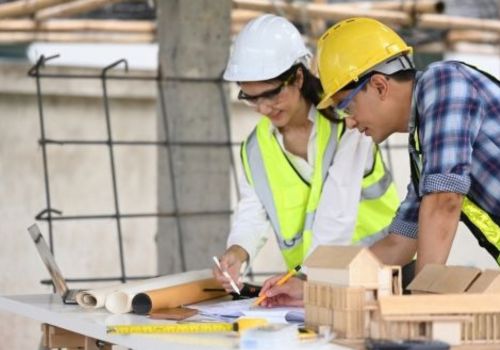
A maintenance supervisor, technician and fleet manager may look at the same alert and reach different conclusions. One sees a machine that can keep running until the next service window. Another sees the first signs of a failure they have encountered before. Someone else is focused on costs, scheduling or parts availability.
The Voyage Framework identifies six readiness personas commonly found in construction organizations:
- Trailblazers experiment with new tools and processes
- Navigators focus on business value and ROI
- Cartographers research options and gather information before decisions are made
- Voyagers are willing to learn and adapt to new systems
- Sentinels identify risks and challenges
- Anchors provide institutional knowledge and ensure new approaches align with proven practices
Each perspective brings something different to the process. Trailblazers help move new ideas forward. Anchors provide context built from experience. Sentinels often spot risks others miss, while Navigators keep efforts tied to measurable business outcomes.
The strongest pilot teams include a mix of viewpoints from the start. That balance helps build trust, refine workflows and identify problems before new processes are rolled out more broadly.
5. BUILD AI INTO THE DAILY MAINTENANCE RHYTHM
AI should not live in a dashboard no one checks. It should connect to how maintenance decisions already happen.
That means starting with a simple workflow:
- Choose one use case
- Assign three to five people to test it
- Define how alerts will be reviewed and assigned
- Check results with technicians and supervisors
- Adjust the process based on what the team learns
A practical process might look like this: an alert flags a machine, a technician validates the issue, parts availability is checked, service is scheduled around production and the outcome is documented.
Over time, the team learns which alerts matter most and which steps need adjustment. That is where AI becomes useful — not as another system to manage, but as a tool that helps crews make better maintenance decisions before equipment goes down.
Editor’s Note: This is the second part of our AI in Construction series. Read part one to learn how to use AI in the office.
Watch Bruce Rasa and Steve Cubbage’s CONEXPO-CON/AGG 2026 session, Building an AI-Ready Team in Equipment Management and Maintenance, by purchasing On Demand Education Access.
PHOTO CREDIT: SHUTTERSTOCK/PARILOV