Every excavation project starts the same way: a crew, a plan and a patch of ground that looks like any other. What’s harder to see, and far more dangerous, is what lies beneath.
Utility strikes remain one of the most persistent jobsite risks. Across the U.S., hundreds of thousands of utility damages are reported each year, many of them avoidable, according to the Common Ground Alliance (CGA). In fact, nearly one-third of damages occur because 811 was never contacted.
That’s what makes April’s National Safe Digging Month more than a reminder. It’s a reality check.
“The time for incremental change has past and the choice is clear: invest in transformation or accept that utility damages will follow pace with construction activity,” says CGA President and CEO Sarah Magruder Lyle.
Recent data shows that as construction activity increases, so do utility damages. The issue isn’t awareness. It’s execution.
Most crews know to call 811. So why are damages still happening? In many cases, it comes down to inconsistent execution of the basics before, during and after excavation.
Here’s what you need to know to be prepared before digging.
Even experienced crews can’t rely on past knowledge. Every jobsite is different, and every excavation requires a fresh look underground.
START WITH CULTURE, NOT COMPLIANCE
Avoiding utility strikes isn’t just a process; it’s a mindset that must be reinforced from the top down.
On jobsites where damage prevention is treated as a checklist item, crews are more likely to skip steps or rely on assumptions. But when leadership consistently reinforces that no ticket means no digging, behavior shifts.
In practice, that shows up in small but important ways:
-
Pre-task conversations that include underground risks
-
Supervisors who pause work when markings are unclear
-
Teams that understand the consequences of getting it wrong.
PLAN FOR WHAT YOU CAN’T SEE
The most effective damage prevention strategies start before a shovel ever hits the ground.
CGA’s Best Practices Guide lays out more than 160 industry-approved practices that walk through the entire process from design and planning to excavation. Many contractors already reference it, but the difference comes in how deeply it’s integrated into everyday workflows.
A single missed step can delay projects and put crews at risk. That’s why contractors must treat underground risk the same way they would any other major project risk.
Best practices include:
-
Identifying conflicts early
-
Coordinating with utility owners ahead of time
-
Clearly defining responsibilities before work begins.
GET 811 RIGHT, EVERY TIME
One of the simplest steps in the process remains one of the most overlooked—and one of the most important.
Not contacting 811 before digging continues to be the leading cause of utility damage. And while most contractors understand the requirement, breakdowns still happen when tickets are rushed, incomplete or treated as a formality.
Before any excavation begins, contractors should:
-
Submit a ticket through Call 811 or your state’s portal via 811 several days in advance
-
Provide clear, accurate excavation details (location, scope and timing)
-
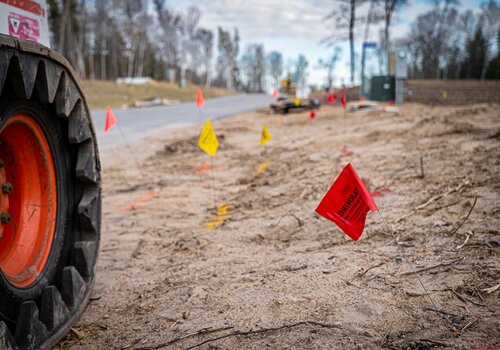
Confirm that all utilities have responded and marked lines
-
Verify markings on-site before breaking ground
Even experienced crews can’t rely on past knowledge. Every jobsite is different, and every excavation requires a fresh look underground.
MAKE TRAINING STICK
Training is often treated as a one-time requirement, but damage prevention depends on repetition and reinforcement.
Operators looking to learn the critical aspects of safe digging in excavators can use CGA’s free online damage prevention educational modules. .
Leadership can watch the Next Practices Leaders in Mapping video series for insights from forward-thinking executives who have successfully made facility maps the center of their damage prevention program.
The contractors seeing the best results are reinforcing training in the field through toolbox talks, shared lessons learned and consistent expectations across every crew.
LEARN FROM EVERY INCIDENT
Even with strong processes in place, incidents and near misses still happen. What separates leading contractors is what they do next.
Through CGA’s Damage Information Reporting Tool (DIRT), companies can submit data on damages and near misses and compare trends across the industry. The value isn’t just in reporting; it’s in identifying patterns and adjusting before the next project begins.
When teams take the time to investigate what went wrong and share those insights across crews, they turn isolated mistakes into organization-wide improvements.
TURNING AWARENESS INTO ACTION
Safe Digging Month puts a spotlight on a problem the industry already understands. The challenge now is execution.
For contractors, the opportunity isn’t to reinvent the process. It’s to close the gap between what’s known and what’s done on every jobsite.
Learn more about how calling 811 can save a life and explore additional digging tips For excavators.
PHOTO CREDIT: SHUTTERSTOCK/EDGAR LEE ESPE